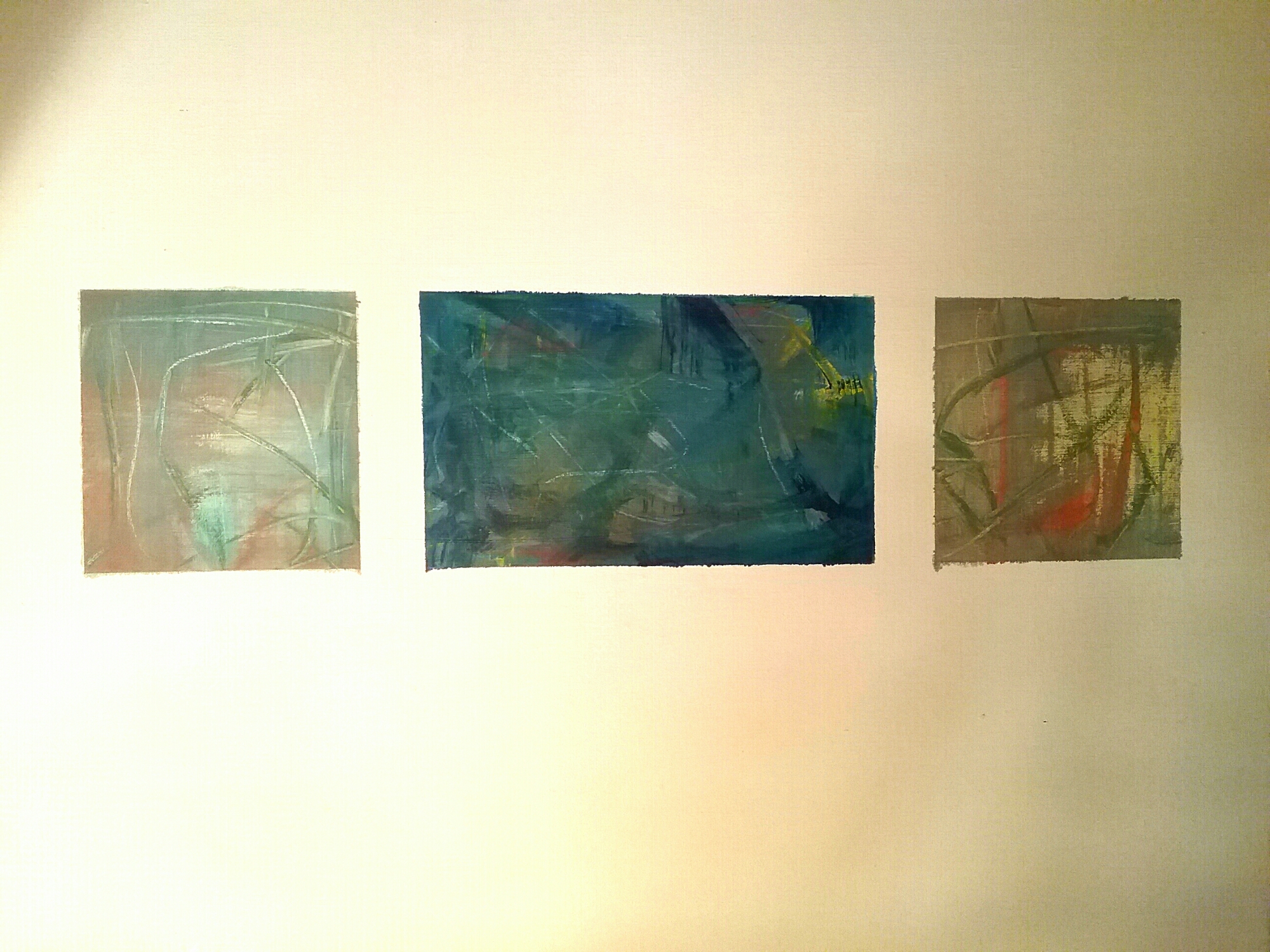
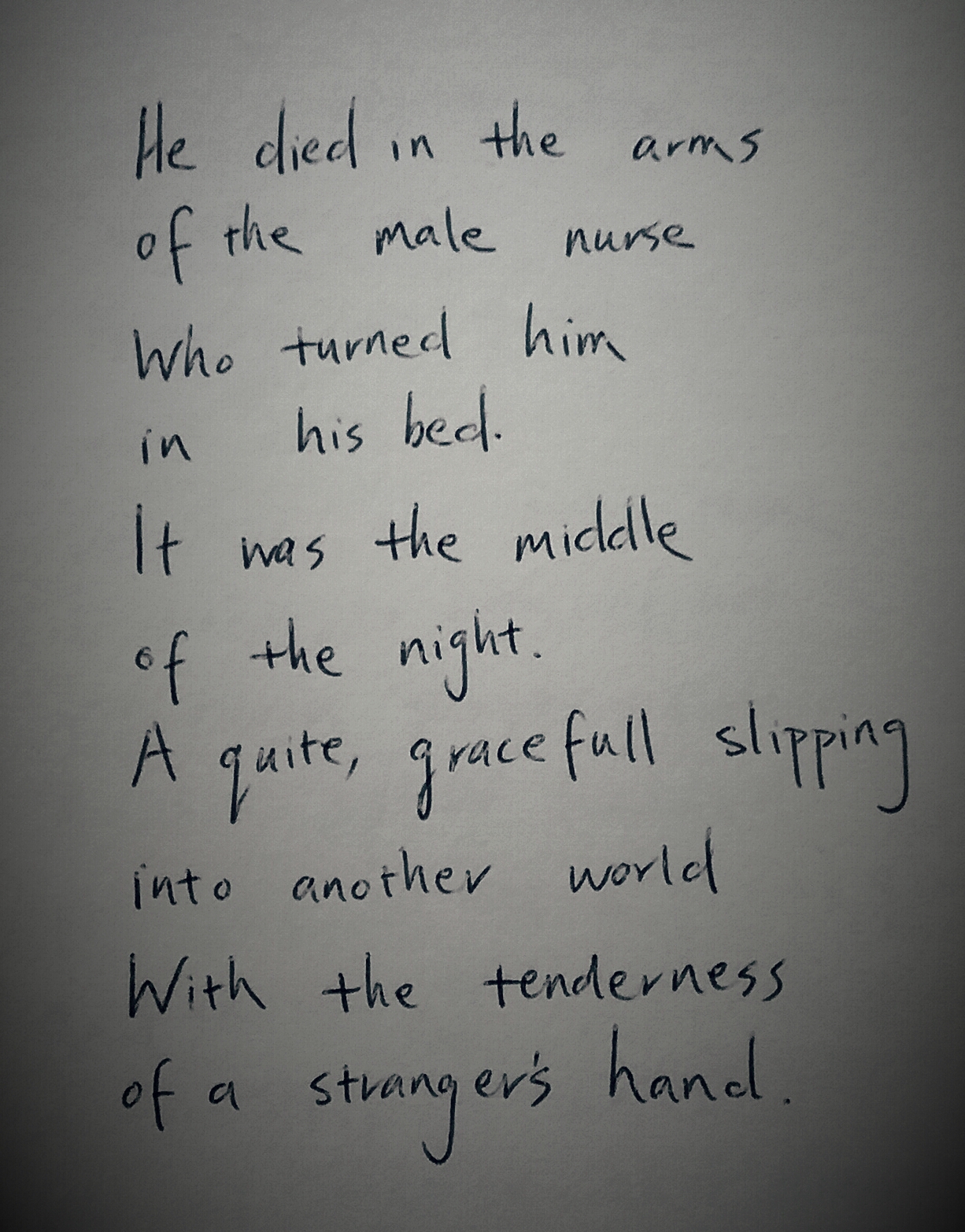
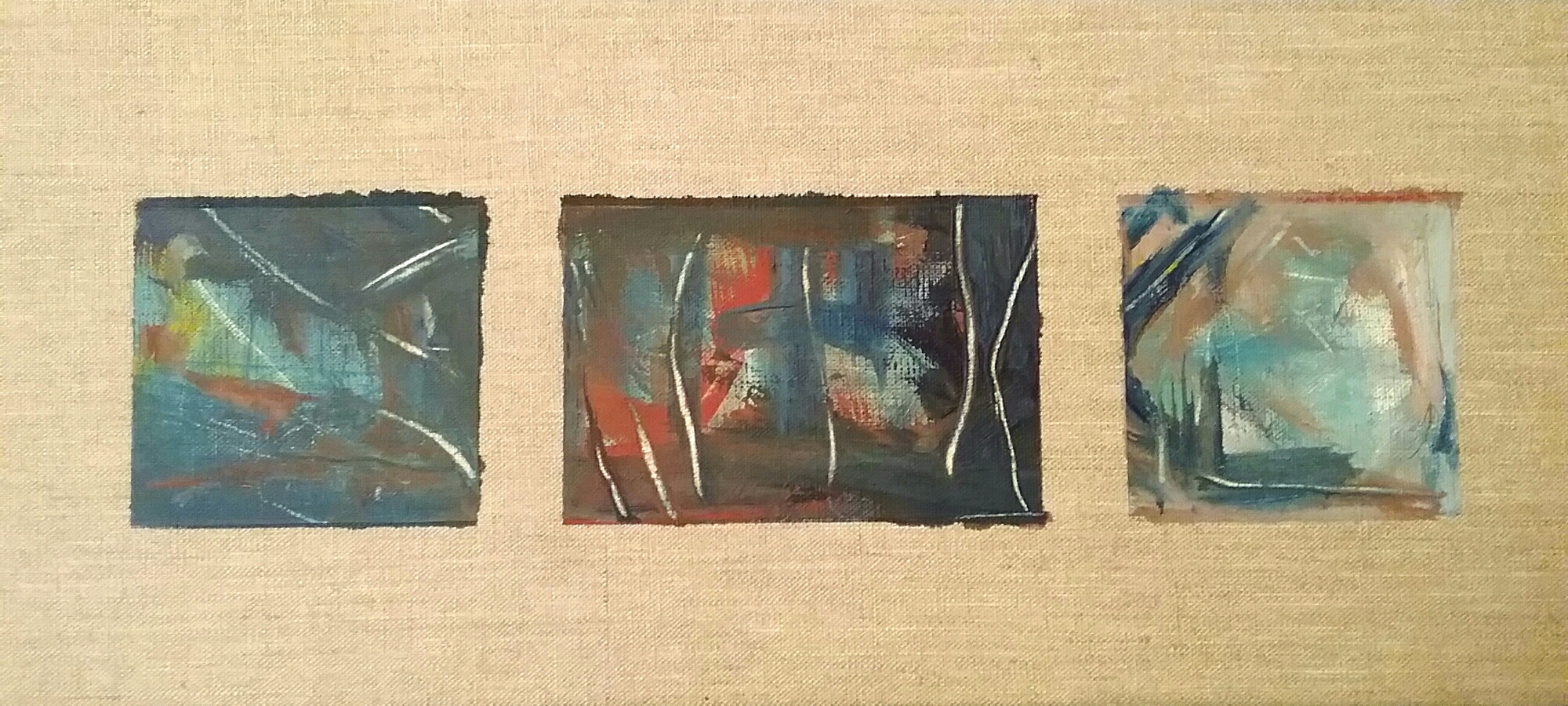
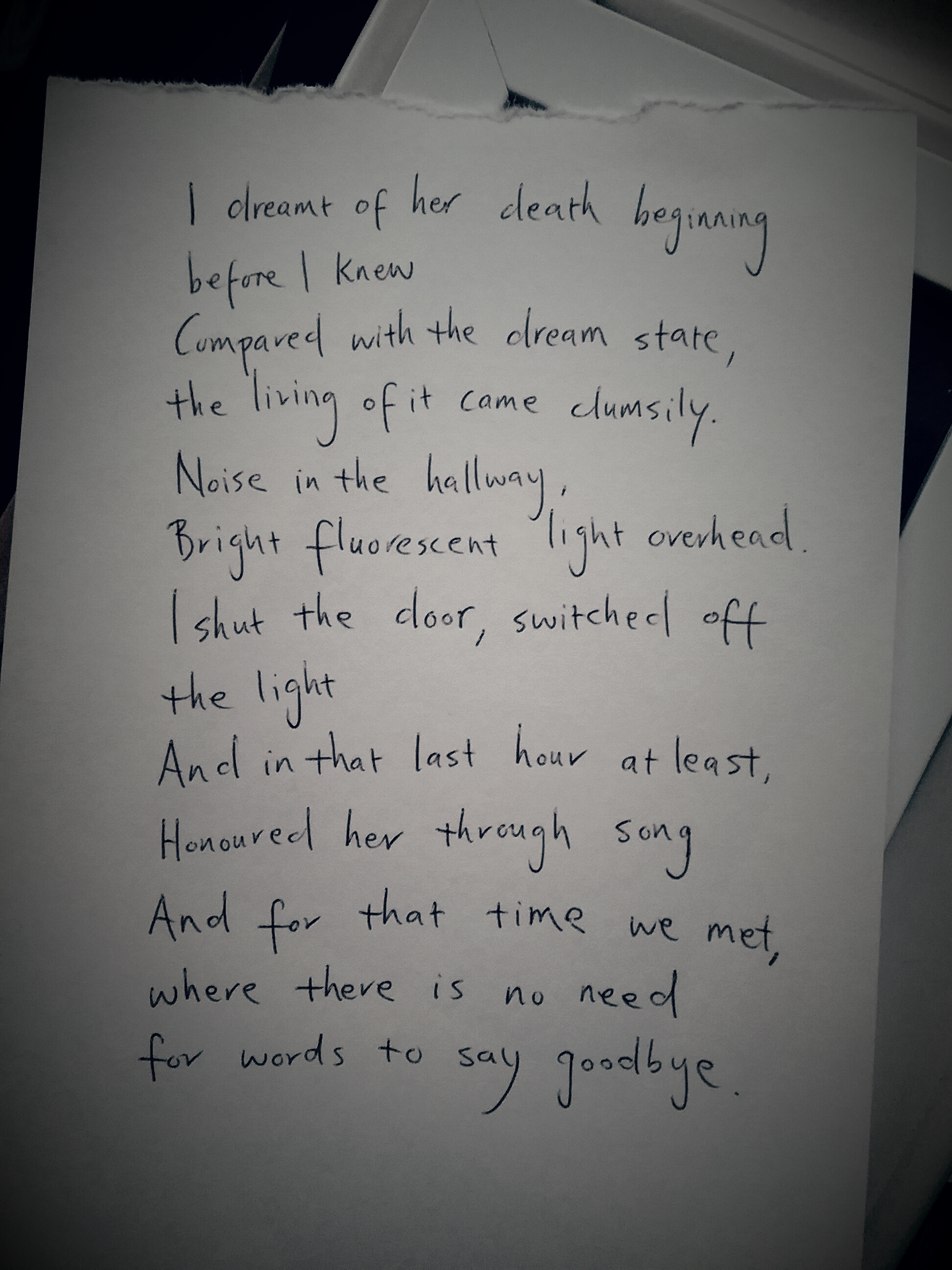
Retrofitting the Suburbs: Talk David Holmgren 2012

I had the chance today to sit in on David Holmgren’s Retrofitting the Suburbs for Sustainability at The Wheeler Centre.

It was very timely. Getting into work – a colleague spoke about how crazy the amount of time it took him to commute into the City given that he lived just North/West of the CBD. We had both experienced not being able to board 2 trains/trams simply because we couldn’t fit in!!

As I took the tram up Swanston St and compared the volume of foot traffic to when I was studying in the city 10 years ago … it feels as though it has doubled.

With what David describes as our Energy Descent Future and the subsequent reduced mobility of people and goods – moving either closer to the city or re-locating to a job closer to home is already looking like an appealing option.

At the moment riding my bike is an option – but even along Swanston St – with the new MEGA Tram Stops (no more Trams actually servicing these stops) the bike riders are currently battling with pedestrians and tram, so bridging the South Side of Melbourne has become ever more of a challenge for our warriors on 2 wheels.But above the doom and gloom David’s talk was humorous and engaging. I live in a street very much like the one he described in his talk on ‘Aussie St’ – a neighbourhood of four houses battling to come to terms with a failing economy and energy crisis. What rang true for me out of this talk – was how much richer in community we can potentially become. Choosing your neighbours wisely in this scenario was critical. I see the ‘incremental adaption’ that David described already emerging. I run a small business – using recycled material – not only because I love the vintage look – but because having worked for a multi-national fabric company – I know the extent of price exploitation on imported fabrics. I am also aware of the social and environmental impact fabric manufacturing has on our Asian neighbours – where most imported fabrics are sourced. I see the increments becoming leaps and bounds before we know it. Its not only a rather confronting time to be alive – but if you are willing to move out of old habits – its a really very exciting time – to watch and see – can our innovation overcome our fears.
Farm Stay – with David Arnold at Murnong

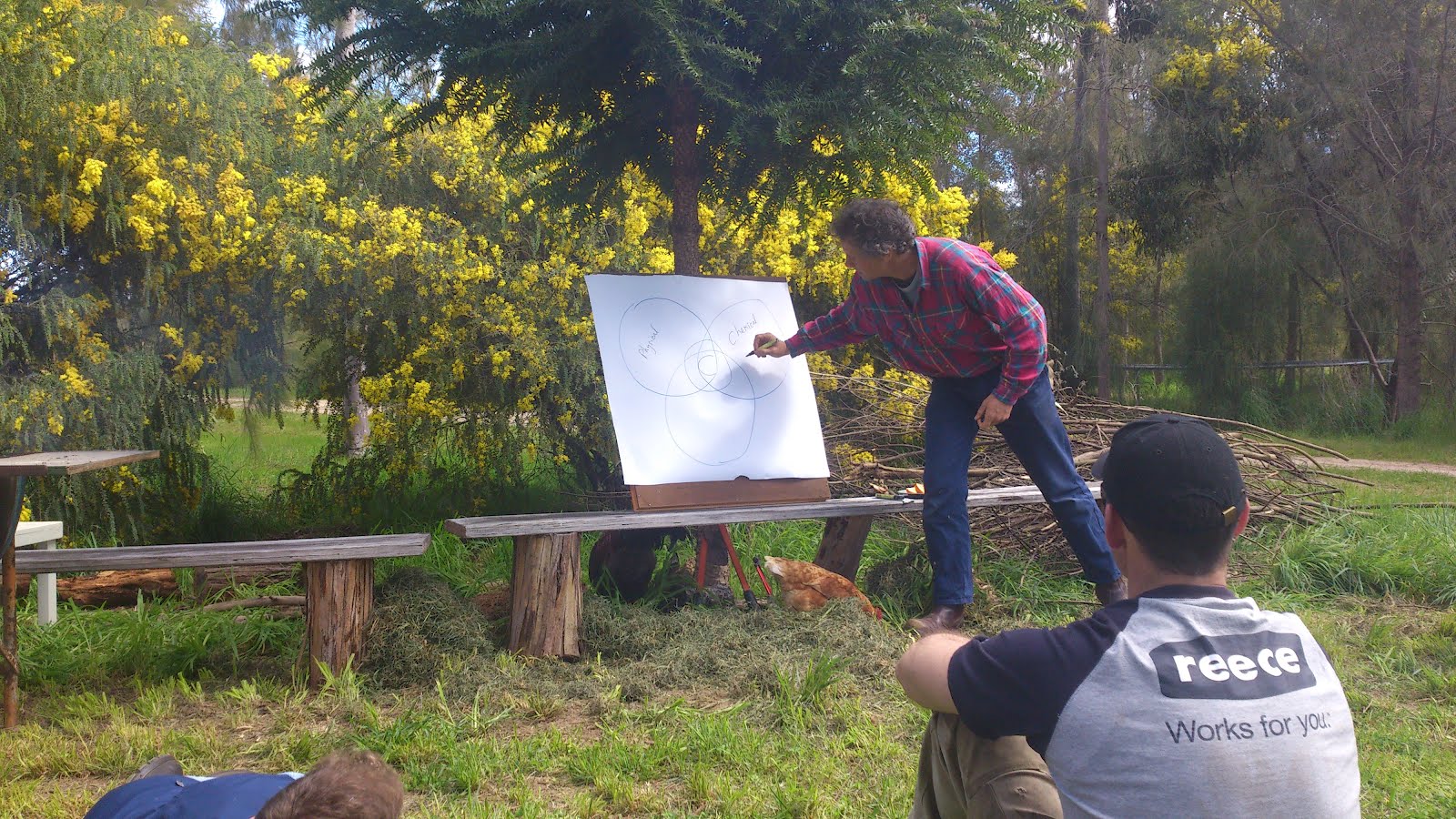
The All Season’s Permaculture course has moved into Spring and we celebrated with a Farm Stay at David Arnold’s place Murnong, at Violet Town. Having now visited several Permaculture properties, what struck me about David’s design was its clear Zones and forward thinking. Consideration to succession planning was not obvious at first, but after spending the day walking the land with David, the complexity of his design became more evident. He had made use of Peter Andrew’s leaky wear system to create a miniature delta flood plain (while the drought is over), with nearby town run off, that runs through his property, much the same as at David Holmgren’s place at Hepburn Springs. Two elements of David Arnold’s property got me really excited – the first being the emphasis on Agroforestry and the second his approach to grass or paddock spaces as microforests also to be managed through seasonal “pulsing”. David’s consideration of tree species for optimum yield – for both fruit and timbre has developed over years of working with re-forestation projects and also through the simple method of trial and error. This is an area which has scope beyond what we could cover over the weekend and hopefully down the track an agrofrestry course may follow this PDC! At first glance of David’s design, there appeared to be a lack of layering as is seen in the common design of food forests. However, as David spoke about the spacing of his orchard species, in relation to rain fall and soil type the picture above the surface of the soil began to make more sense. This is a farm which is harvesting soil life and plant complexity in all forms. What appears to be grass is in fact a microforest of species for trapping and ultimately recycling micro-organisms and nutrients into the orchid and farm system as a whole. What is critical for this element of the system to work is timing the cutting of the grasses, allowing for enough growth to harvest the full potential of the plant life both above and below the ground. I admire David’s ability to “Accept Feedback” and relate the land as a teacher.

EARTH

May the EARTH element nourish you.

May you surrender your weight and worries to her.

May you honour her in return.

This precious home.

Sea of Stars

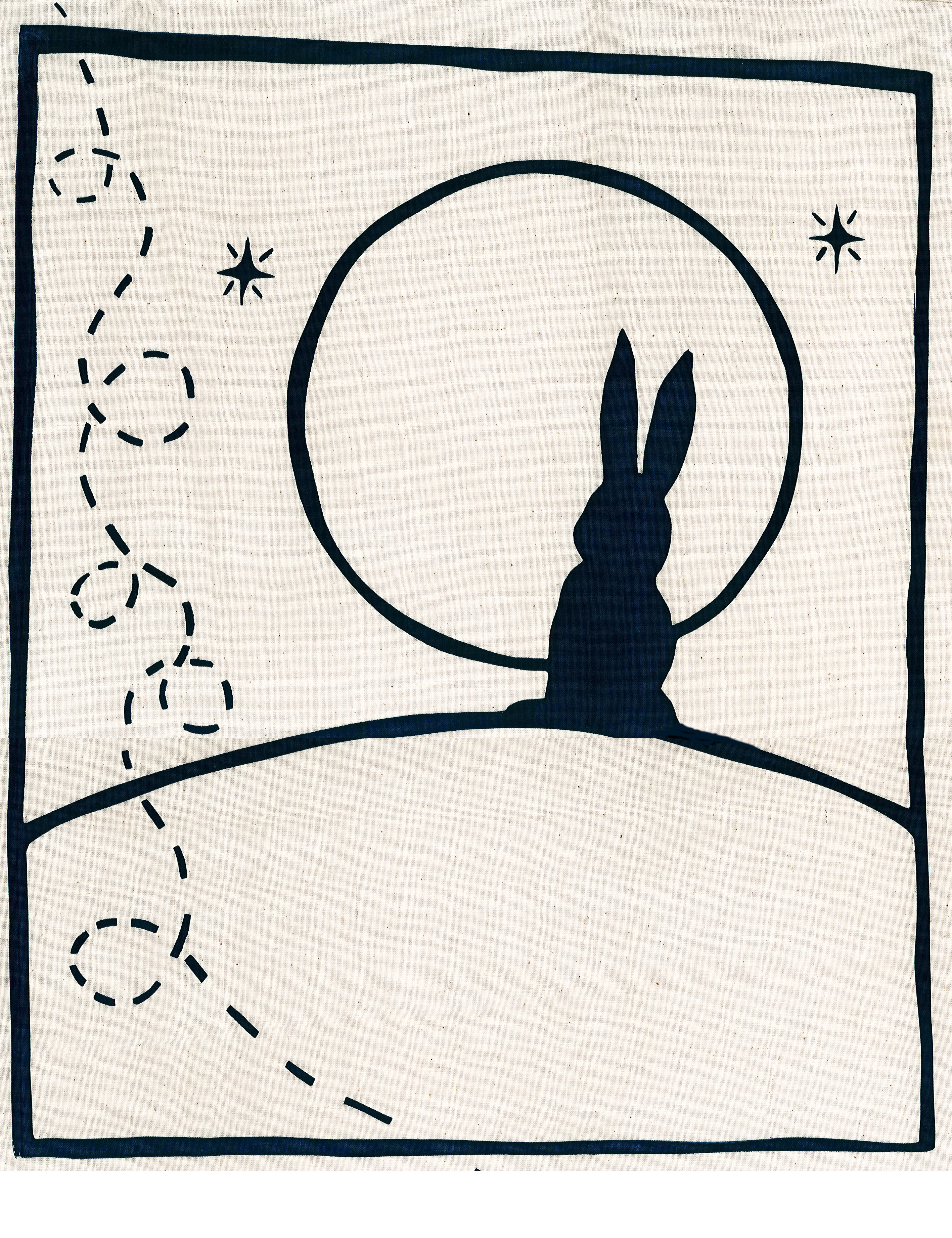
bunny

One morning, he woke up and considered – if everything truly is connected then she was that moon, that star and the earth upon which he hopped. And sitting in that moment, as he fell in love with it all, down to his tail and up to his ears, he relaxed.

May the moonlight guide your way across the sea of stars that is you.

Upon the Earth – series launched


2


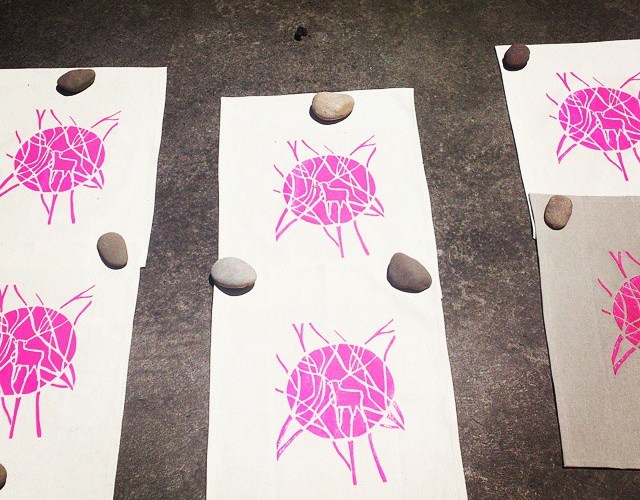
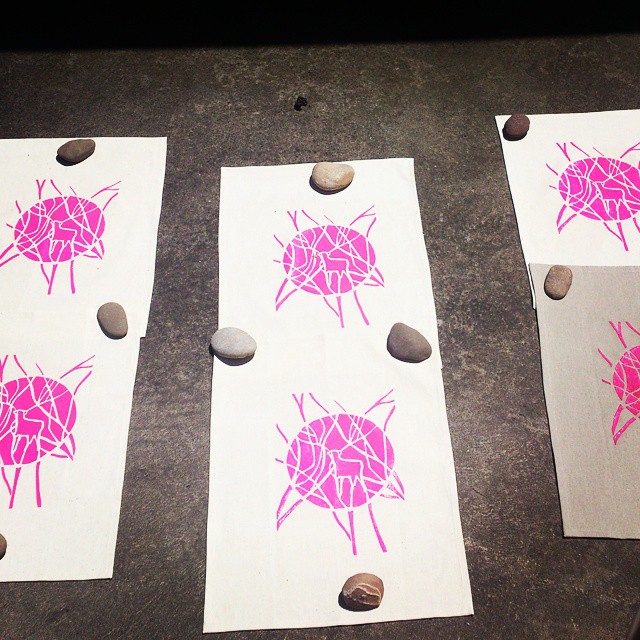
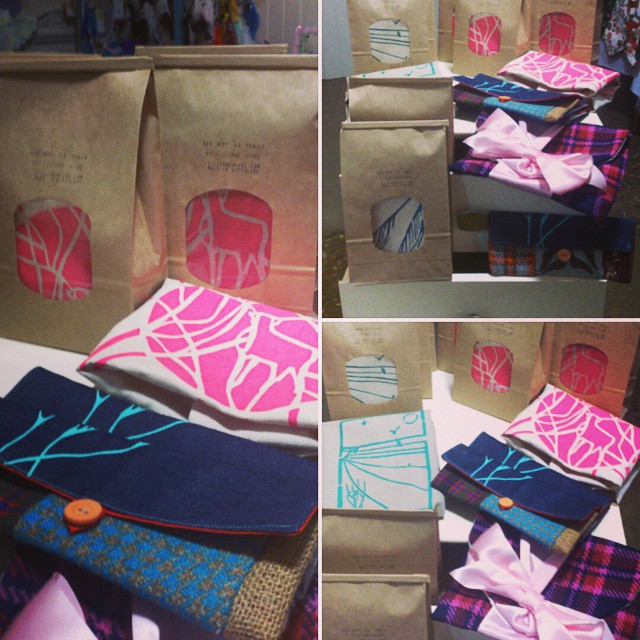
This weekend was a beautiful Summers day to print the second image for the Upon the Earth series and they are now available exclusively at Segue at Stratford during the Christmas Market and will then become available online.

Upon the Earth started with a few simple words.

Upon the Earth

We Live4

We Laugh

We Pray

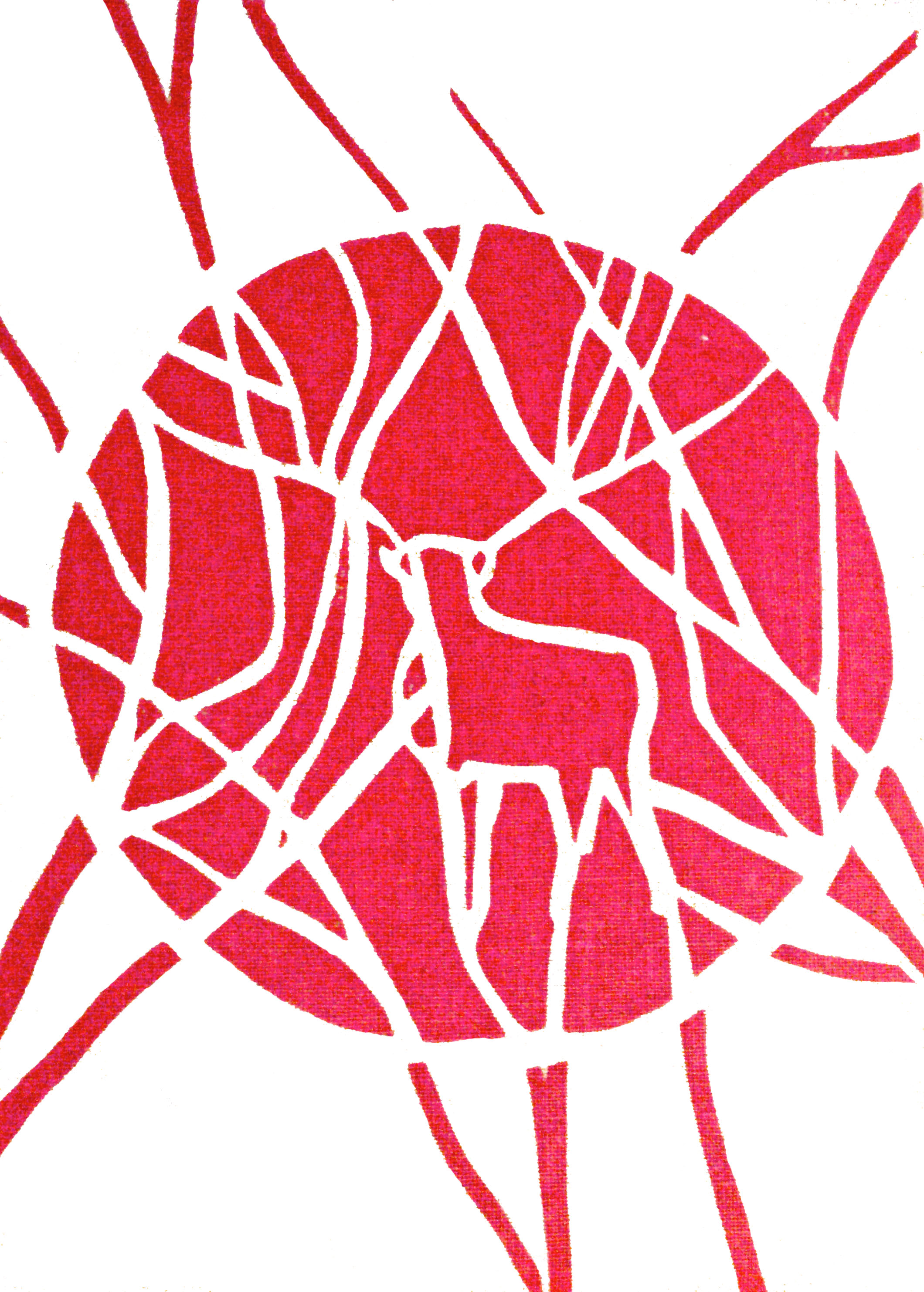
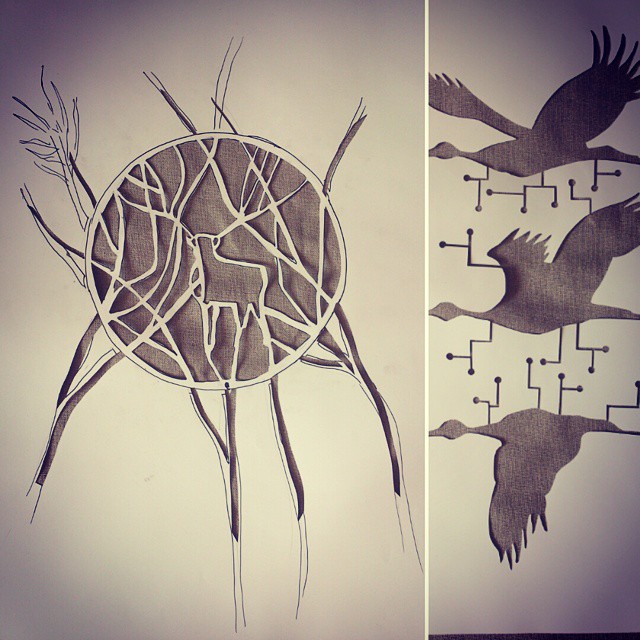
Each image is inspired by nature and comes with a story, blessing or words.

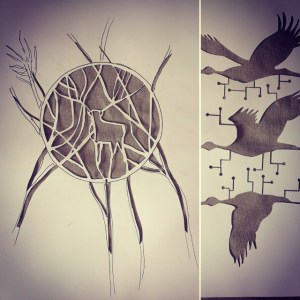
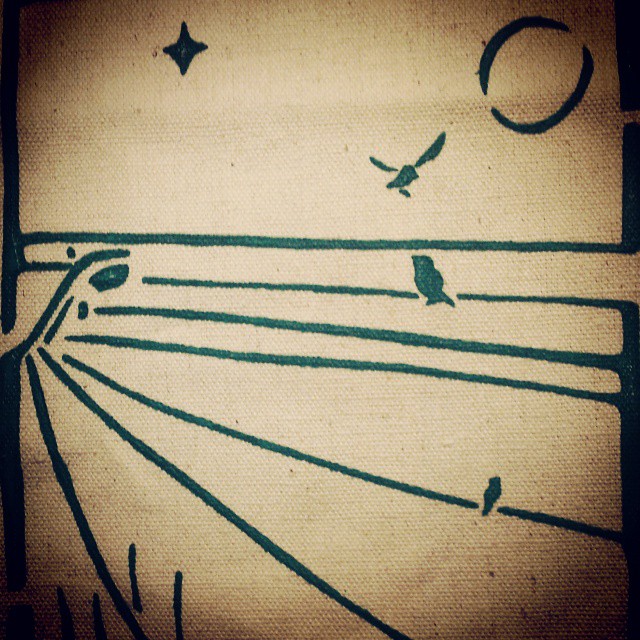
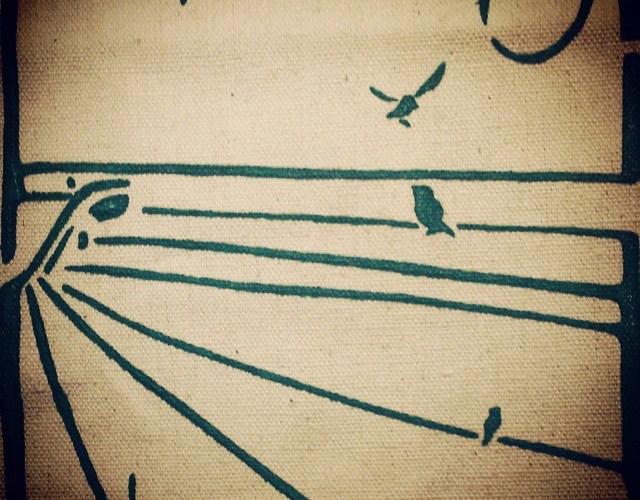
Birds on the Wire and Elk have been launched with 2 new designs set to be printed in the New Year.

If you are local please visit

Segue Arts Cafe

66 Princes Hwy, Stratford VIC 3862

or watch this space for stock available online soon. Pre orders welcome.

31


Ties That Bind

How do we define our sense of belonging?

And what happens in those moments when an absence is felt or a new presence enters?IMG_20151027_142726

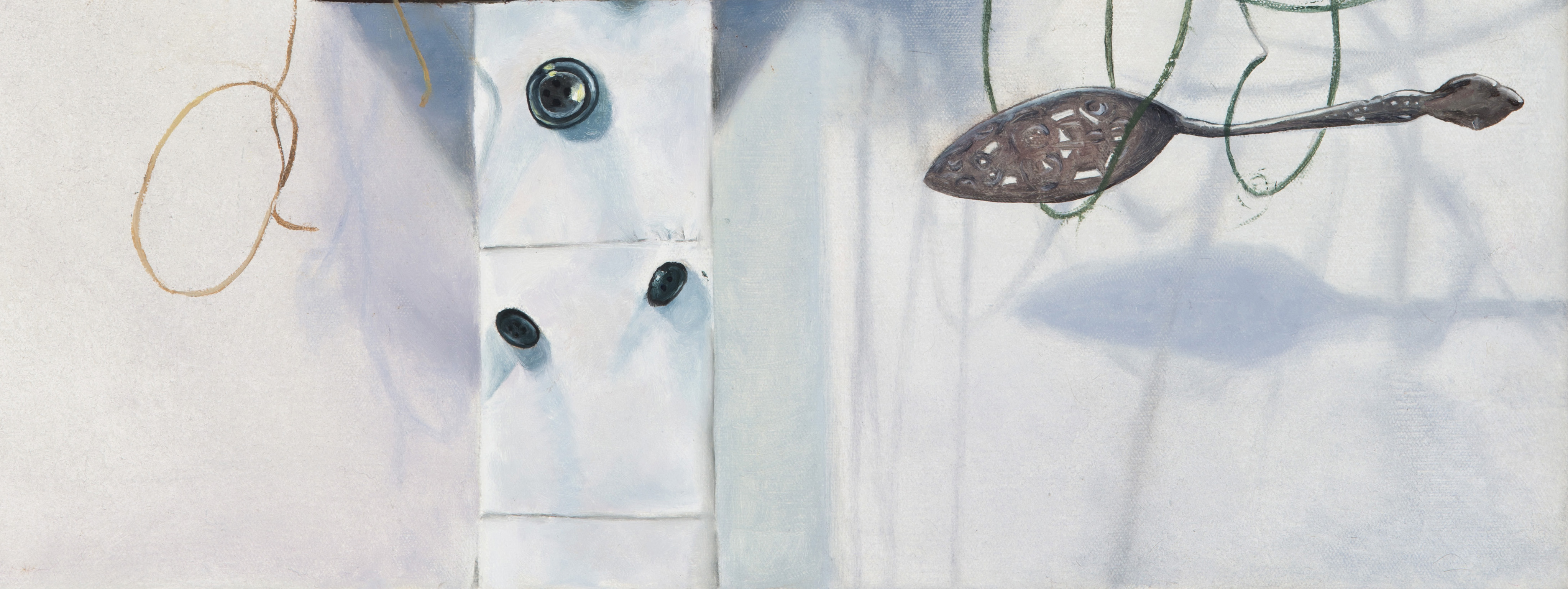
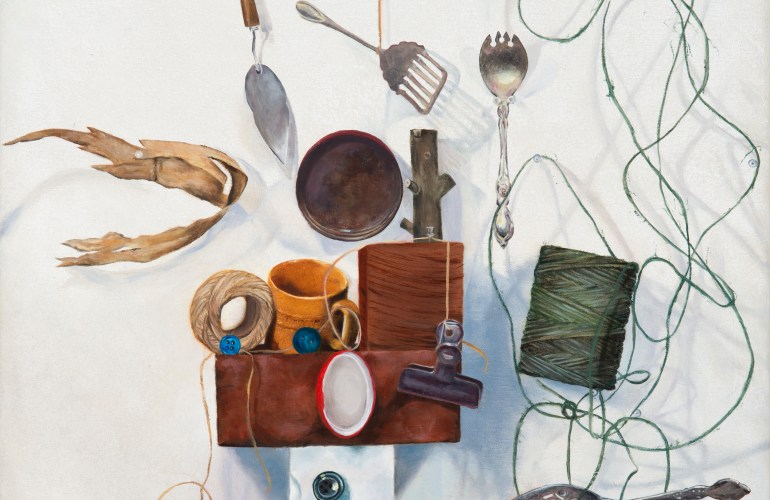
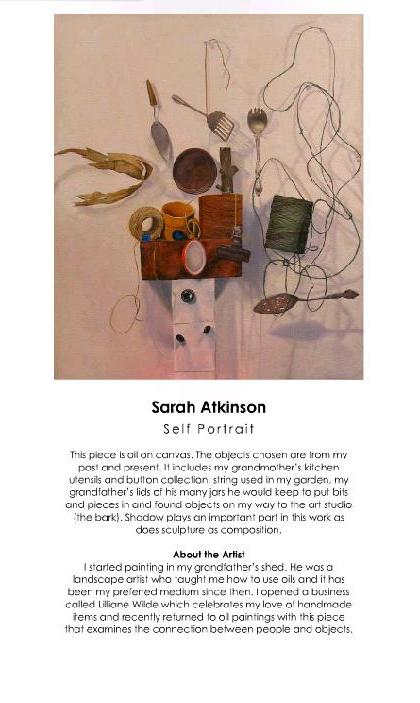
The death of my grandfather who blessed me with afternoons spent painting in his shed drew these questions into sharp focus. I suddenly became aware of the preciousness of seemingly mundane objects and ordinary moments shared, which later inspired the composition of Self Portrait (oil on canvas).

The notion of belonging re-emerged when I moved from my home town of Melbourne to pursue the long held dream of living in ‘the country’.

Suddenly everything was unfamiliar and the long process of taking root began through moments of repetition and re-tracing experience until they became familiar; a street corner that was visited every morning on my way to work, a favoured route on my bike, the slow familiarity with shop keepers and neighbours.

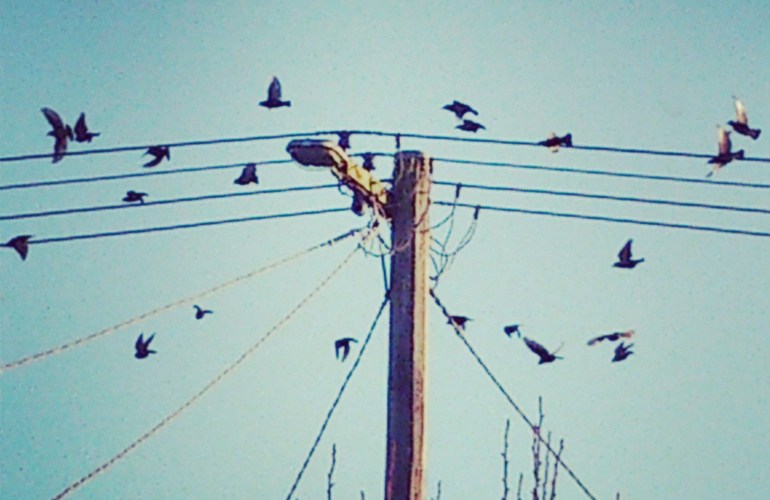
During this time, almost daily, a group of birds began to visit the electrical wires outside my window. For the next 9 months I began recording their visits. I wanted to know what their interaction would sound like if their movement across the wires was translated into notes on a page.

What was the effect on the whole when one left or came, when they jumped about, gathered in groups or sat patiently out on their own?

More and more, I have begun to treasure the fleeting and mundane moments.IMG_20151026_124724

Sharing a cup of tea, a walk or a meal.

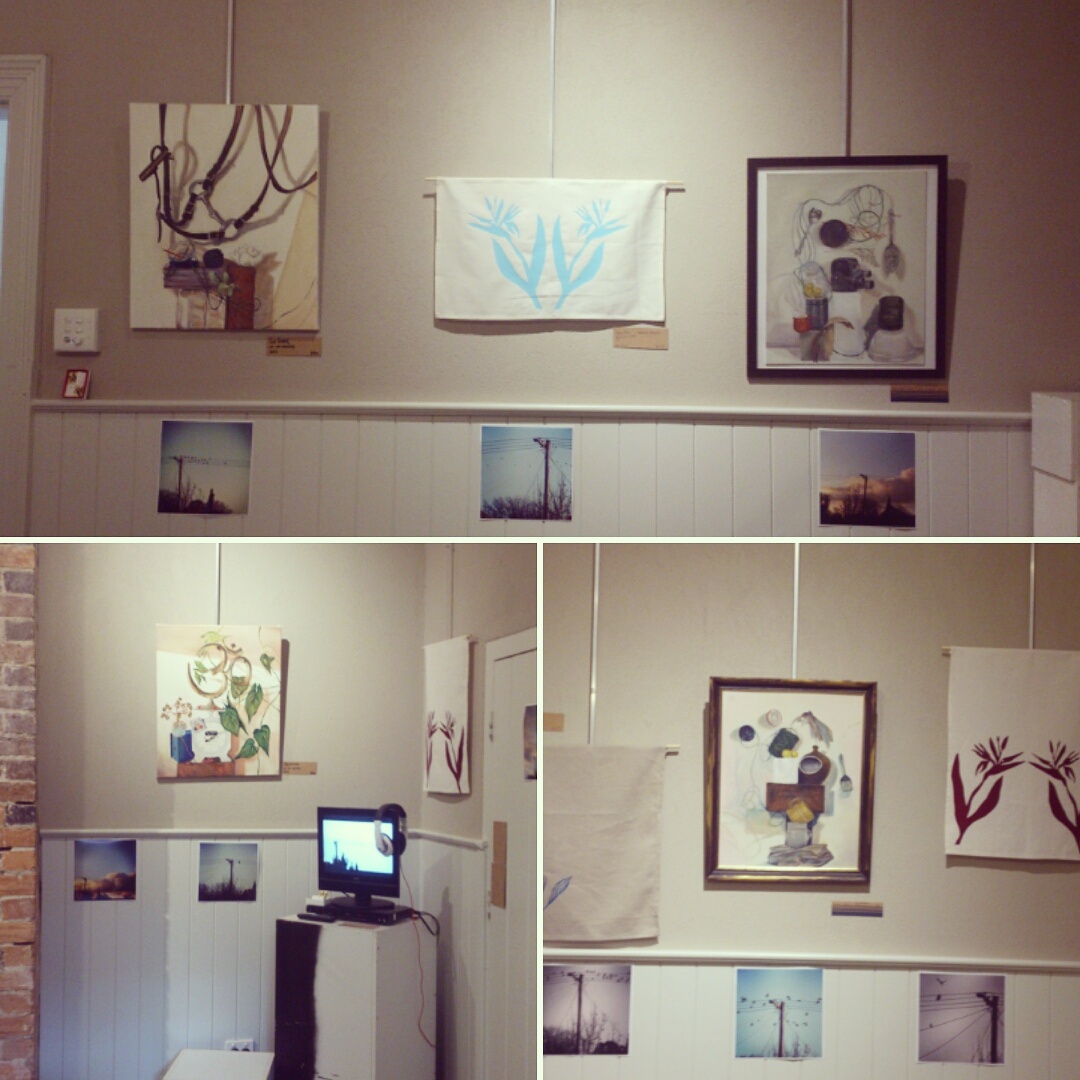
In order to explore this idea I asked those people who have been birds on my wire to choose objects of significance to them and used these as inspiration to continue the series of still lives, each offering a portrait of a treasured soul in my life. Through these works I have attempted to capture the value of simple objects, symbols of how we come to understand ourselves and express who we are to the outside.

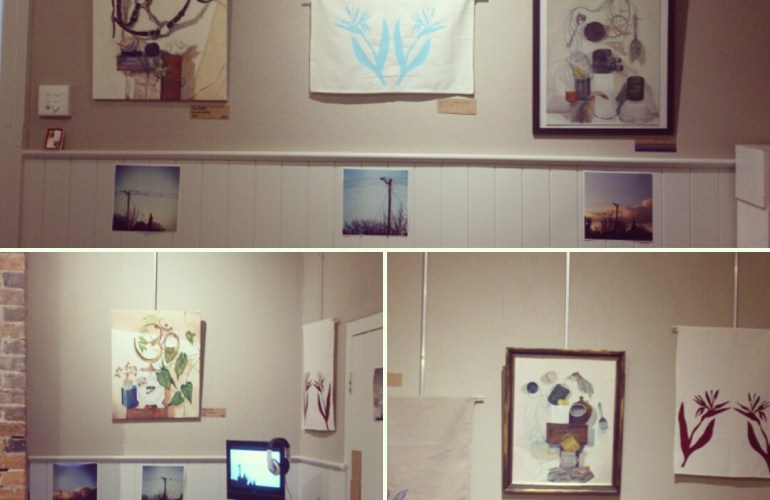
Ties that Bind will be on exhibition at Segue, Stratford Courthouse until Saturday 21 November 


Breaking the Artist Block

There’s nothing like a deadline to get the creative juices going! More and more I am finding the ability to sit and be present with the creative process is more important than the technique and application of painting itself. For me, sometimes the sense of forcing to sit and paint is physically painful and yet if I were to wait for inspiration to strike, to linger until that sweet spot presented itself nothing would get done. I think every individual is different about how they approach this, but here’s what I find works for me when I have a deadline and also face resistance:

paintintparty1. Acknowledge the block / resistance

Take some time to actually feel it. How is it presenting itself? Pain the body? Foggy in the head? Distraction or craving based?

2. Open up to the idea that there is more

It will pass, be open to the shift … otherwise surrender to it – what does it want? A nap? A walk? A sit in a café? A sit in front of the TV to zombie out for a while with the awareness that when its done, its done and then move on.

3. Prepare

For the Japanese calligraphy artist, lovingly grinding their ink was the time to get their head in the right space. For me, my brushes and paint have never been lovingly cared for I have to admit. But I do like to have a good environment so that I can switch my organising head off and turn my creative head on!

5. Define what you want to achieve

Beginning with parameters in place allows the left side of the brain to have a plan and feel like someone is in charge!

4. Breath

The importance of breath came up in conversation with a friend who has recently commenced fire arms training. She described how she was being trained to coordinate her breath with accurately firing a weapon and I realised that I do exactly the same thing when I paint. It is also an indicator of when to stop!

5. Know when to stop

Before you get over tired and over work a piece, always end on a high – nothing is set in stone. You can re-visit it in the morning! Create some momentum in your practice by finishing with still a little something to achieve next time! I always need another project lined up before the one at hand finishes for this reason.


Upcoming Exhibition

Moving from Melbourne to Gippsland two years ago in October has altered the way I perceive people, place and the fragility of what we perceive as permanence and the present moment. This exhibition will mark that journey by exploring the threads and ties that bind us through video installation and a series of paintings depicting our connections to each other and the temporal nature of our place in the present.
Segue – Stratford Courthouse
26 October – 19 November

still life


Birds on a Wire

Last week I sat down for a morning meditation and looking out the window noticed a group of birds on the electrical wires outside. As they moved about amongst themselves, some coming and some going, they began to resemble the notes on a page of music. I filmed them to later translate their movement into a composition and while sitting down to view the footage at the piano was struck by how fleeting a moment in time and particular combination of elements (be they family, friends, feelings) are. The void that was left as one bird flew off, left a space for something new to emerge and the various connections and disconnections as they jumped from one wire to the next released the monotony that would have ensued if they had sat still and isolated in their own little world. Now each time I look up at birds on the wires and wonder – what music are you creating up there?

The Nutrition Pod

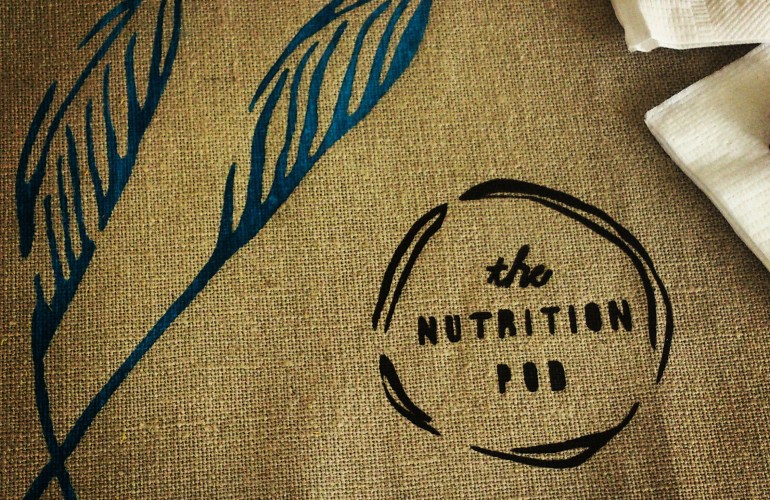
The Nutrition Pod in Sale is the latest stockist to support locally made, bespoke products from the Lilliane Wilde range. This general store in the main street of Sale offers the old-school service of whole foods, bought in bulk and sold for individual consumption in the tradition of the co-op! What a relief to see these stores popping up and offering an alternative to the super-markets! Thanks Nutrition Pod!

IMG_20150424_205333the nutrition pod


Silkscreen on Hemp – memories of the Kimberly

IMG_20150409_071236


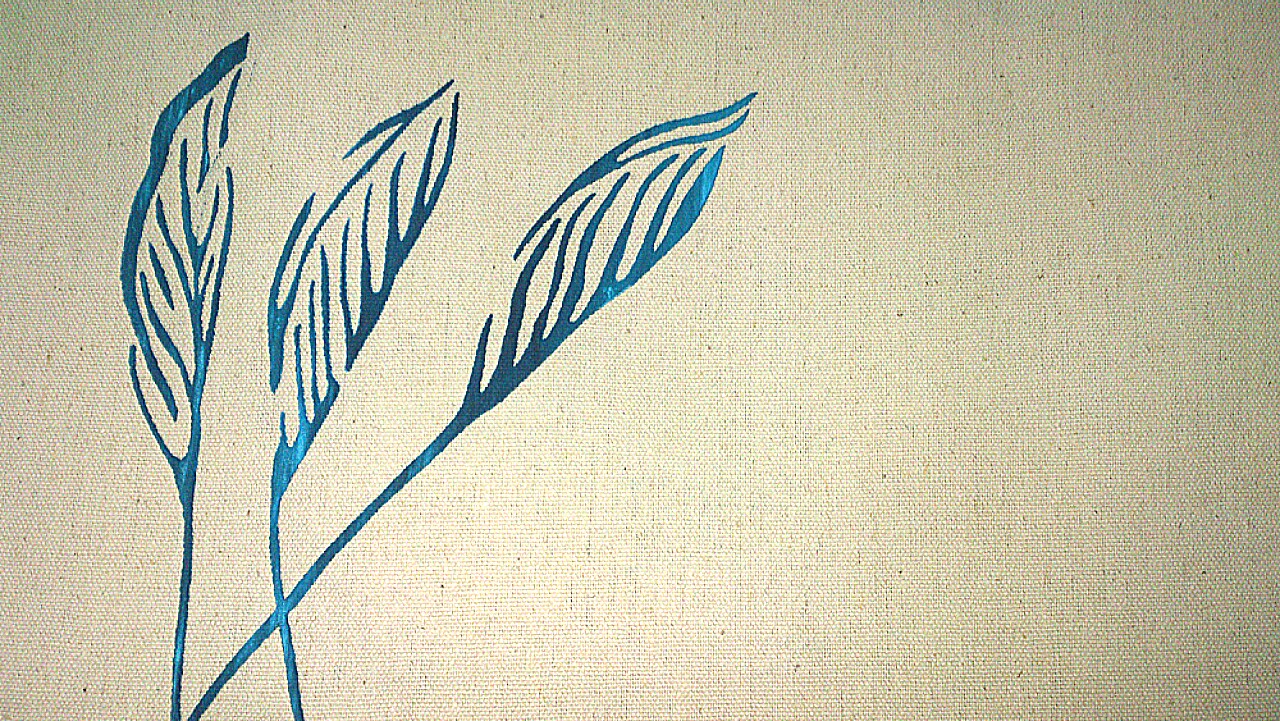
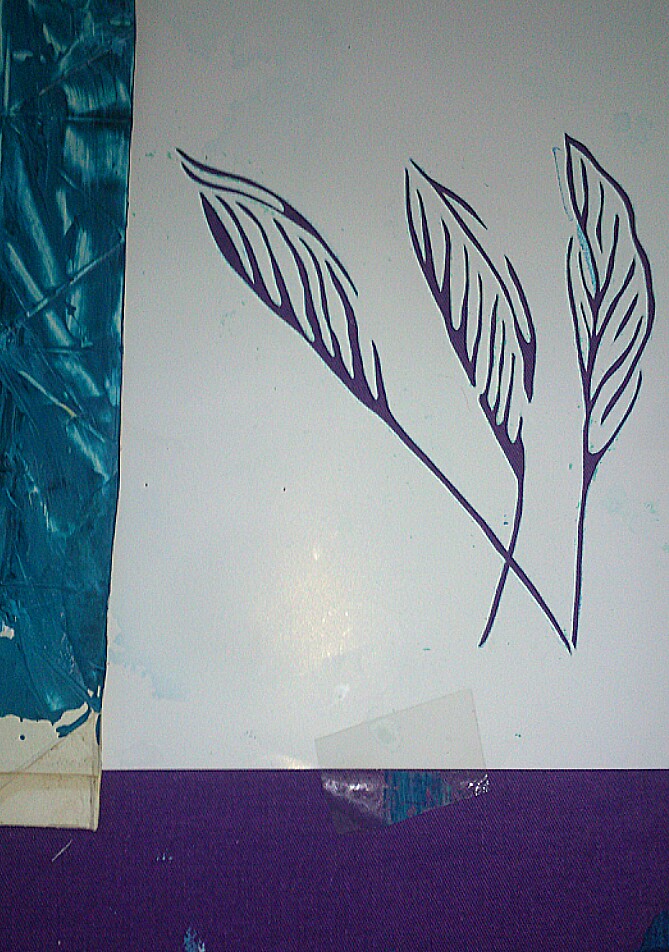
The first cold night in the new studio! This design was sketched in the deserts of the Kimberly last year. Unlike painting, silk screening pushes me to condense an object/image into its most concentrated form. Stripped of tones, and shadows in the conventional sense, how do you convey these things to the eye while forcing the paint through the lens of a template? I experimented last night with marbling the paint to create movement in these otherwise flat objects and the design uses negative space to offer relief, and the suggestion of reflected light, from the outlined shape. In the cold of the art cave it was good to reconnect with the warmth of the Kimberly!

IMG_20150409_070049

Still Life Set up Sunday

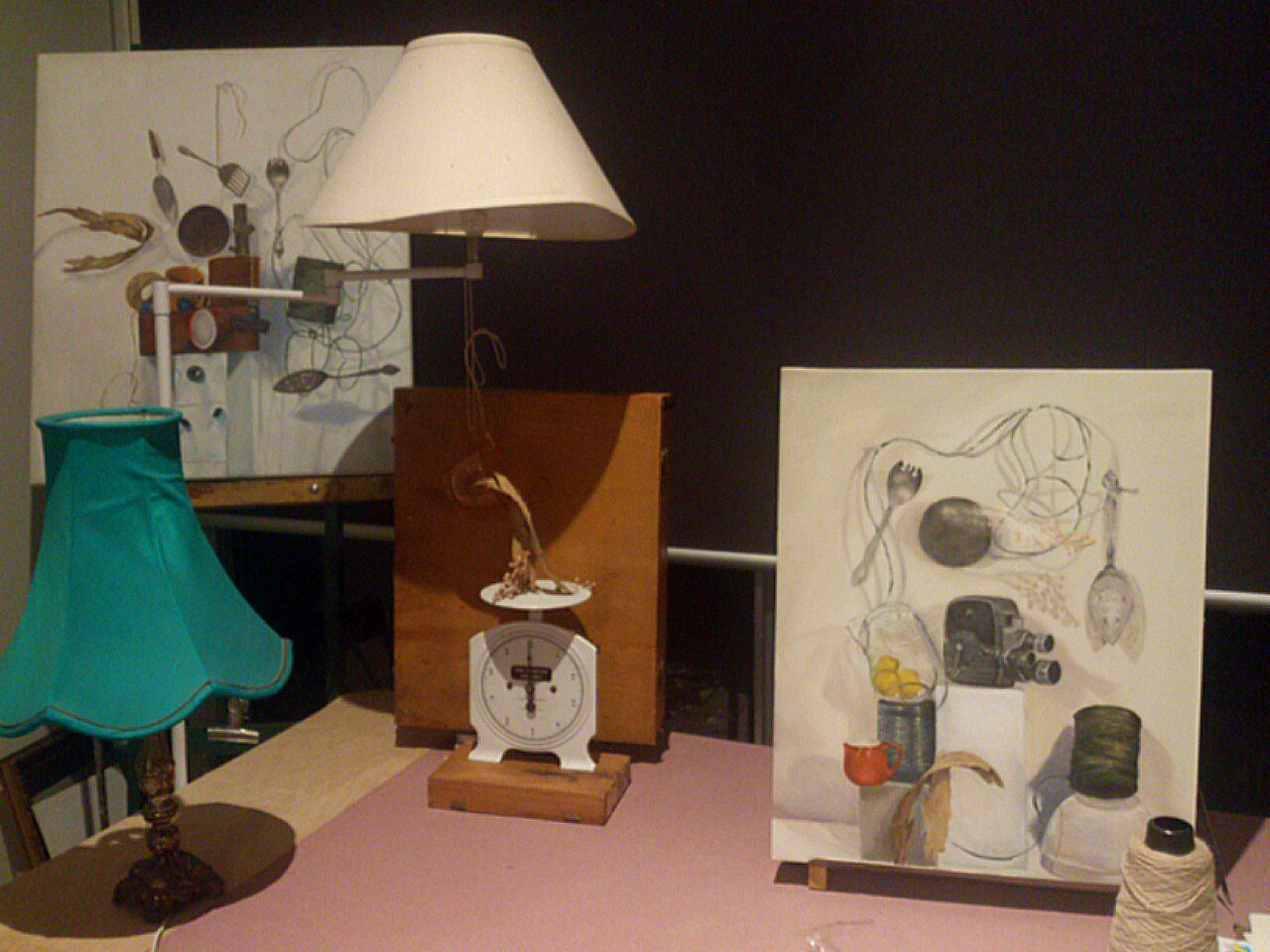
Had a lovely lazy Sunday down at the local bowls club followed by some still life set up time – working with the themes of object, weight and the experience of time and memory. Why do some objects gather soo much value while others we are happy to leave by the side? These kitchen scales were used by my sister, cousin and myself to bake scones at Nana’s. I often see similar sets of scales in op shops – and somehow think – although identical – they’re not the same as mine!IMG_20141114_184307 IMG_20141116_202944

Slow Textiles – another slogan for the Hipster Dictionary?

I heard a saying this week while listening to a talk by Tim Cope; If you have to rush, rush slowly.

It has resonated with me.

When I read the phrase ‘Slow Textiles’ recently on social media, my initial reaction was a quick turning of the eyes skyward – another slogan to be added to the Hipster Dictionary. Images of fermenting linen danced across my mind. Putting my inner cynic to the side, I let the words linger a little longer.

In so many ways life is on a fast track like never before. We crave convenience to such an extent that we have become not only willing, but eager consumers. Searching out the latest, shiniest, what is trending, being hit, shared, liked, pinned.

Slow, from a conditioned point of view, is tainted with negative interpretation; behind the eight ball, not up to speed, yesterday’s news. And yet there is such value in the ability to pause, breath a moment longer, make space for another way, an alternative thought, or if you are brave enough to relinquish the control of inner dialogue, allow just for a moment, no thought at all.

To rush slowly, evoked in me that inner balance. Cope described it as the midway point between passion and patience, between the need to have ambition, to feel propelled forward, to have a goal and yet to be gentle, to tread lightly as you move forward and find the way that honours yourself and others simultaneously.

This creative process, between action and inaction, can take you into the places that are alive and beyond your imagination. It happens when you are living in cooperation with something that is greater than the small version of yourself. It takes an inner bravery that is very quite, very still. It doesn’t have slogans or a tag and is far too often missing from our lives today.

To rush slowly. What a lovely combination of words to cross my path this week.


1920s inspired Shirt Design

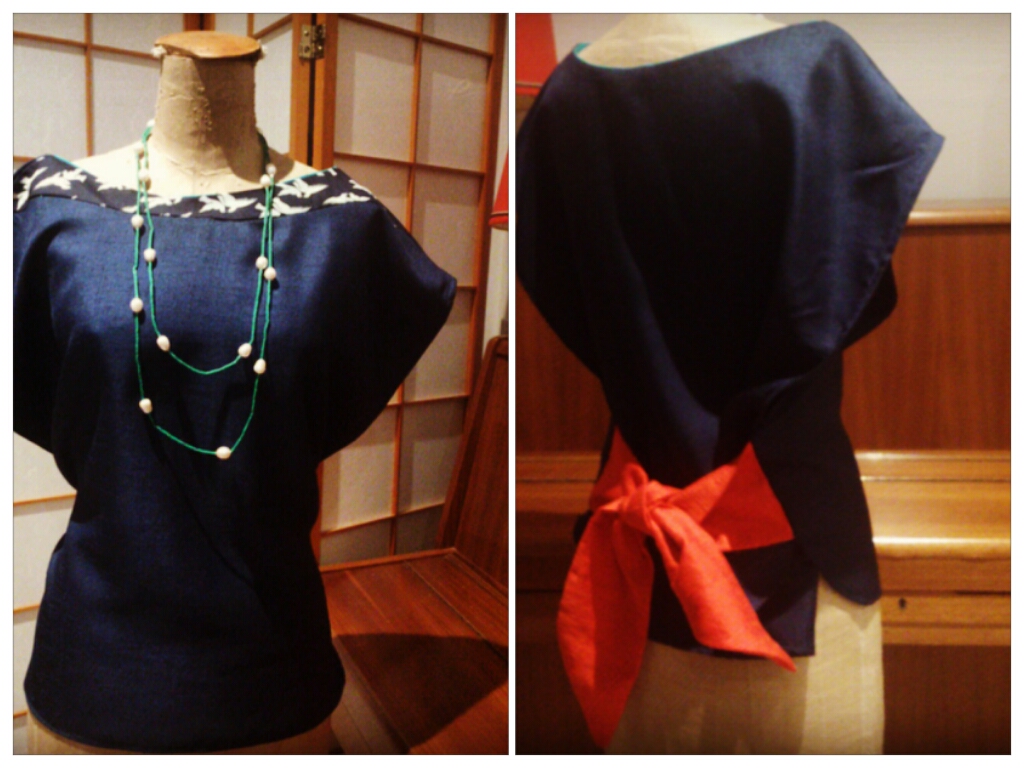
ShirtA sneak peek of a new shirt design that is just about at completion! The inspiration for the silhouette of this design came from the female fashion of the 1920s, when women were exploring a freedom of expression that, for me represents strength and femininity combined.This top is constructed with fabric from my vintage collection, with a modern detail for the exposed yoke detail.

1920s

On Still Life

I heard a quote today (and I am usually fastidious about referencing all quotes- a habit from University days), but tonight I am content to paraphrase;

It is what people make, not what they say or do, that tells you about humanity. Study what they make.

I have made aIMG_20140824_204128 study of what people make and never had much patience for what people say and a terrible memory of what they do. It was an extremely gratifying TV bite and was one ingredient of today that got me back to the canvas. The others were rain, the prospect of the working week and that indescribable sense of anticipation, which sometimes masks its self as anxiety that come when an artist has spent little time expressing herself and too much time avoiding.

This week has come to an end with a great deal of reflection. Having lost a dear friend.

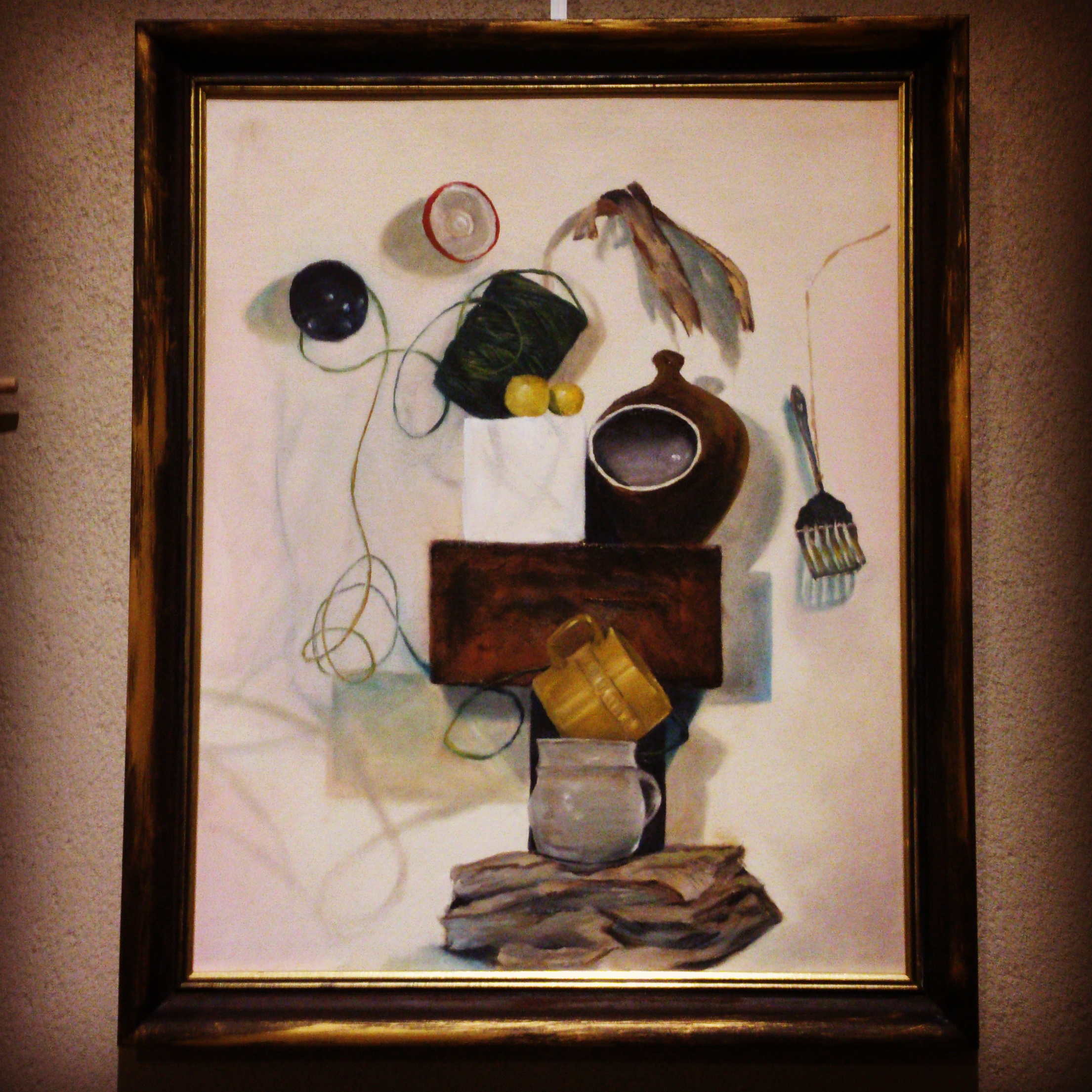
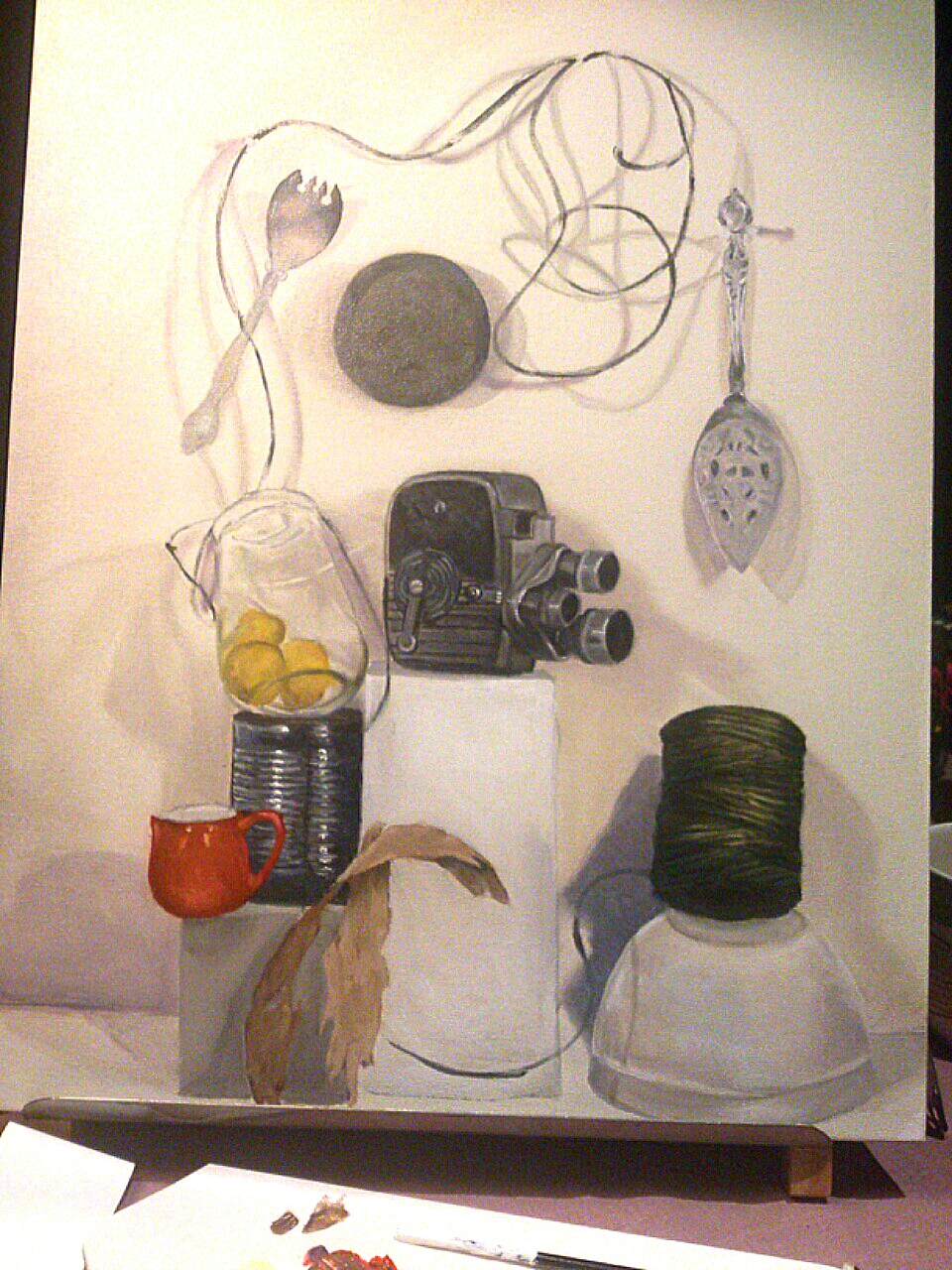
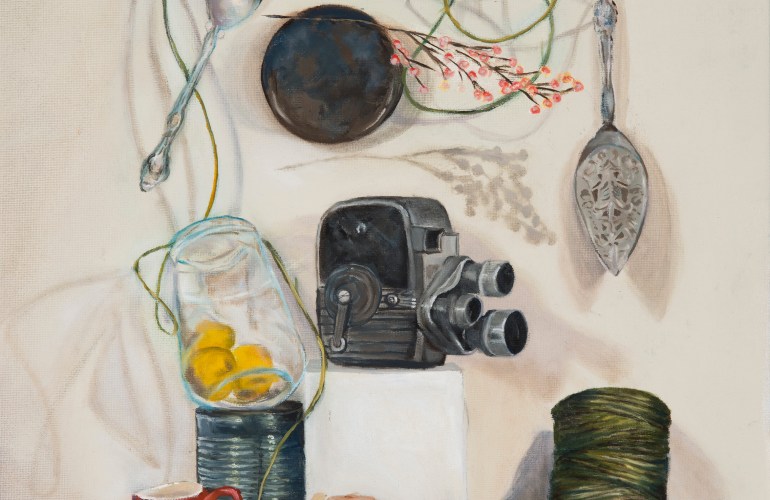
She made something of her life and it was a privilege to have been a small part of it. As in the last still life (Self Portrait), this piece features objects of significance to my past; my grandfathers camera I inherited, a tin can – the same my grandmother would put on the stove to boil an egg and limes from the garden where I last lived. Peg, my friend who passed away last week, was my next door neighbour. I gardened for her and she nick-named me Green Boots, for the bright green Crocs I would wear when I spent time in her garden. We treasured every minute and didn’t waste a crumb or sip of cuppa tea together. She was everything a woman of her generation was meant to be.

noname


Peasant Top – Variation on a Theme


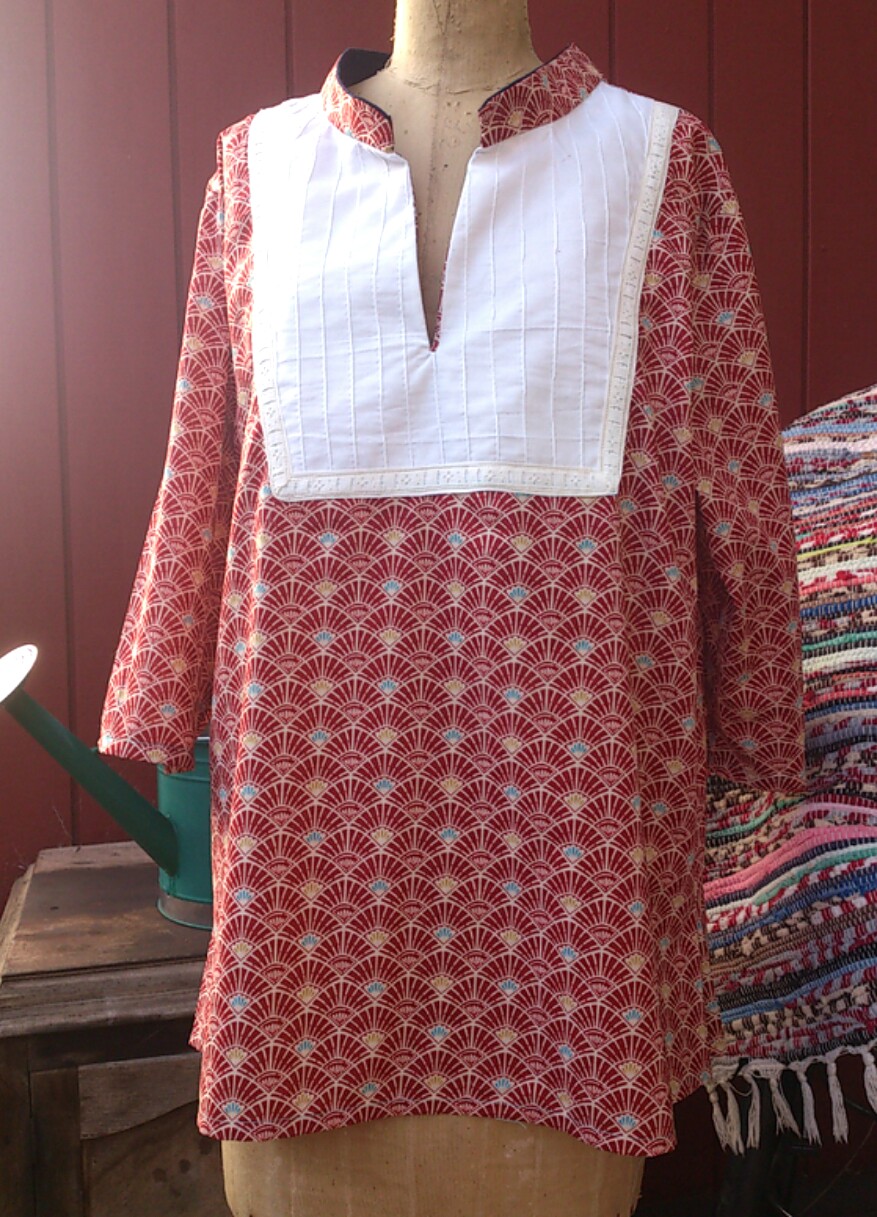
With much delight I have noticed the Peasant top making a come back.

This variation was made with B4686 Butterick (A).

I strayed from the pattern slightly and found the instruction for the collar useless.

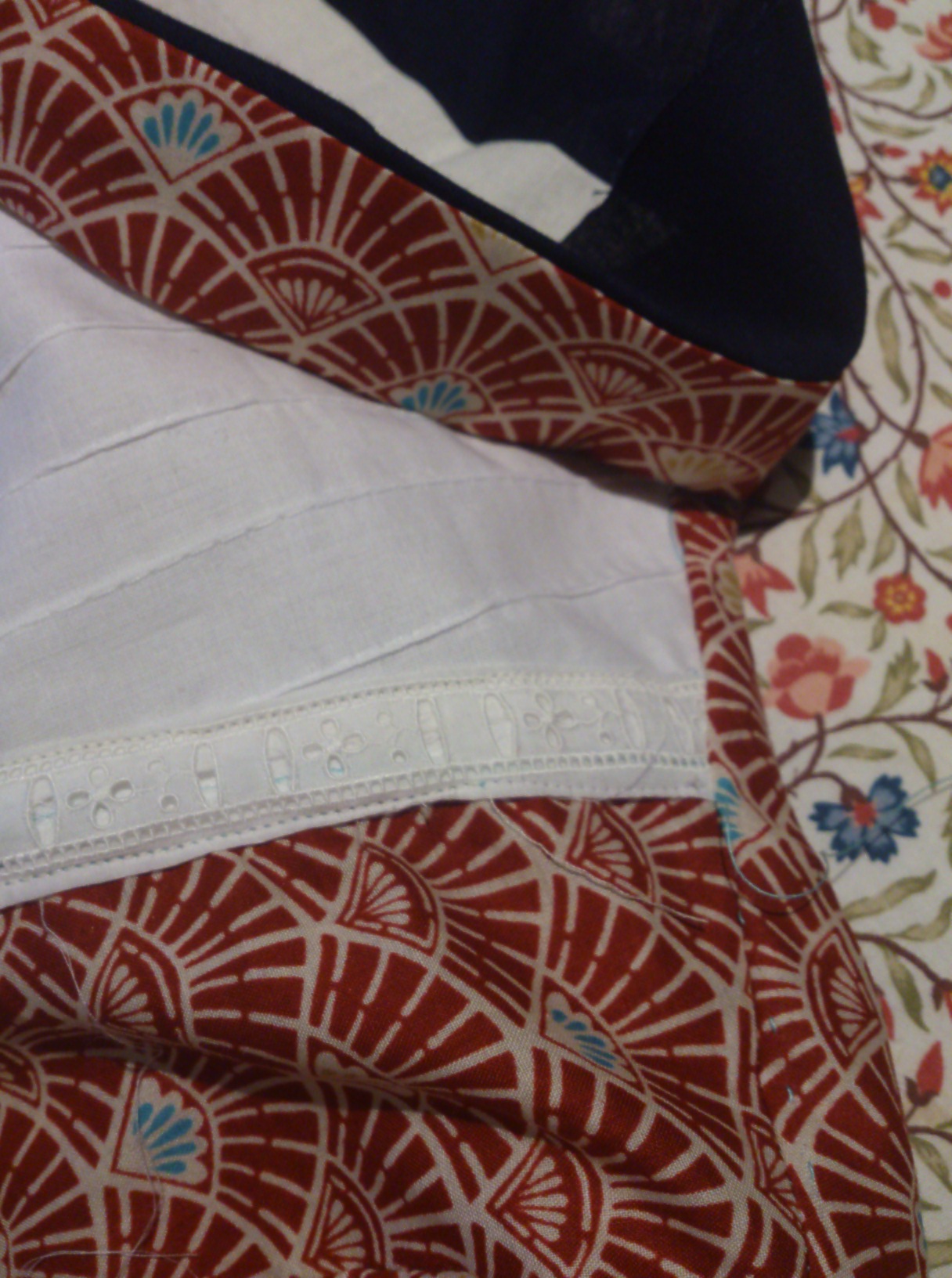
To create the contrasts, I reversed the front inlay to make a feature of it (see detail photos below) and added a lace edge.

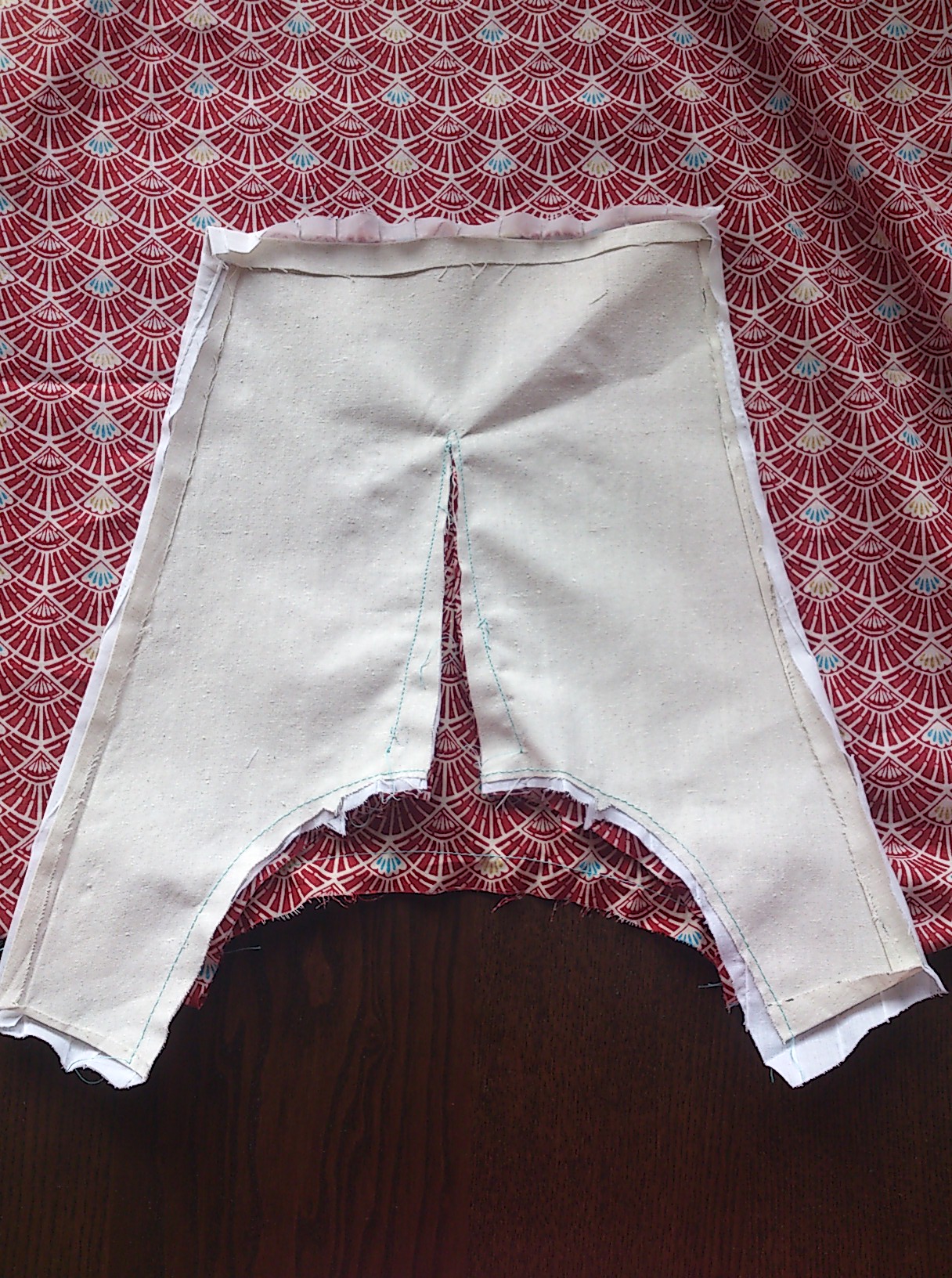
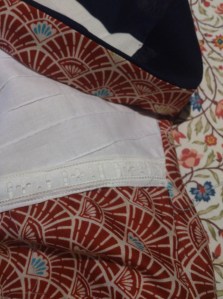
I used a dark navy blue cotton for inside the collar and also hand stitched the collar (inside edge) and used calico to re-enforce both the collar and the front panel.


B4686 Butterick (A)DSC_1955DSC_1956DSC_1962

House on the Hill … in the Hill

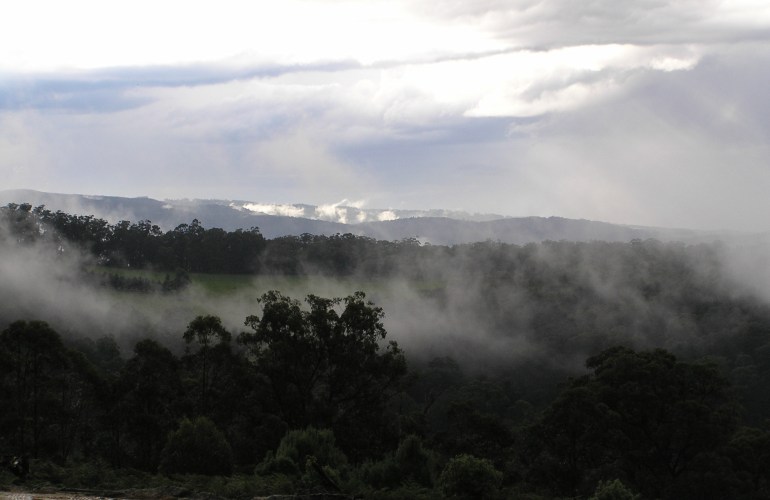
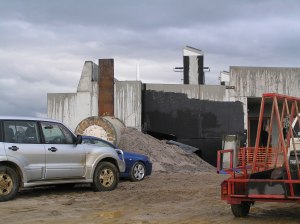
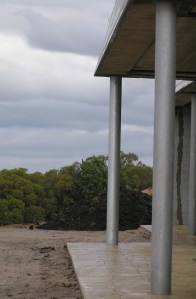
OLYMPUS DIGITAL CAMERAThis weekend took me up a mountain to see a house build into a mountain. The full submersion of the roof appears to have not been completed and the owners were yet to move in, but the pizza oven was fired up and people came to admire, more than anything the views at the top of the rather slippery drive way. It gave me a sense of what this design which, I have admired for many years actually feels like. Away from the screen of Grand Designs I was surprised by how claustrophobic the back rooms felt, despite sky lights and if money permitted would have gone with a wrap around and more frontal aspects. However such great admiration for this couple who have spent the last 25 years planning and are now living their dream.

OLYMPUS DIGITAL CAMERA OLYMPUS DIGITAL CAMERAOLYMPUS DIGITAL CAMERAOLYMPUS DIGITAL CAMERAOLYMPUS DIGITAL CAMERA

Footpath rescue project: Re-Webbing Made Easy

IMG_20140513_081617_Hagrid_Round Re-upholsteryDSC_0680_Hagrid_Round


DSC_0697_Hagrid_Round


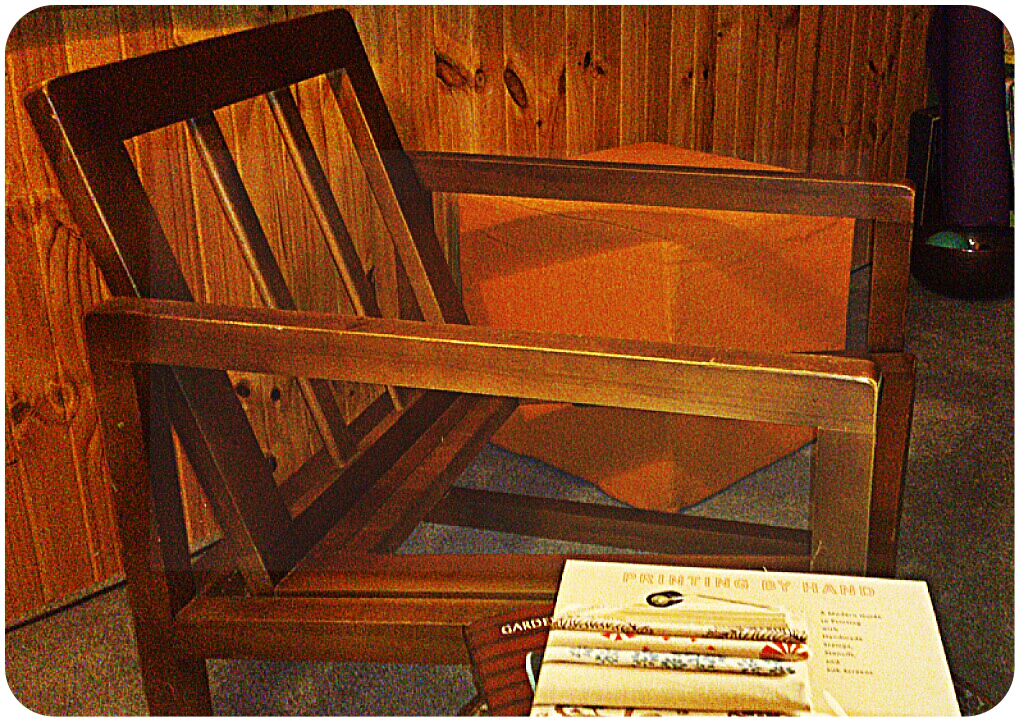
When you see a chair on the side of the road such as this – how can you leave it to get rained on? Quite simply you can’t! This is not the first rescued piece of furniture that has made its way into my car boot! It is one of my favourites.

It was a very simple process to re-webb this chair.

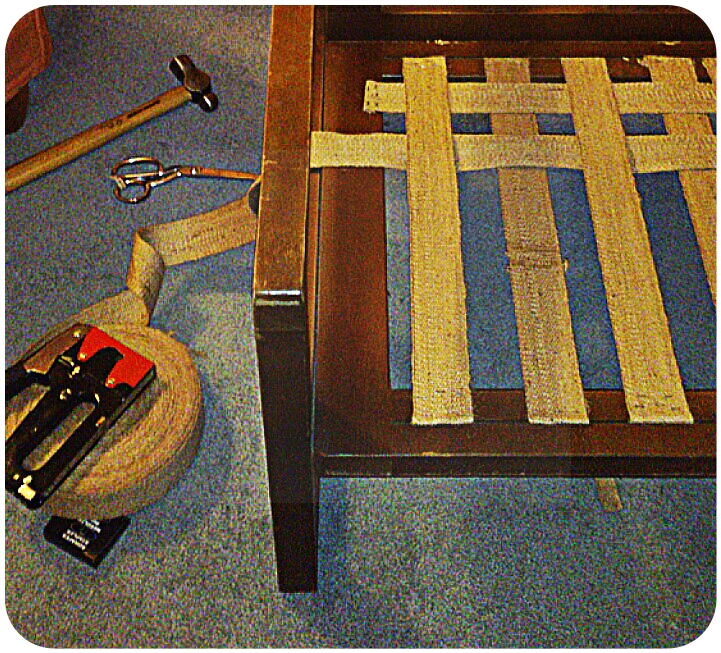
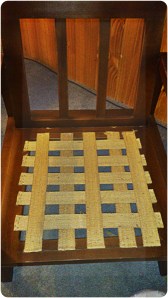
I ripped out what was left of the old webbing and bought some jute ribbon from the garden store for less than $10. It is not stretchy as professional upholstery webbing is, but it does the job. I staples the top end first and stretched it down, pulling it firmly into the floor with my foot as I stapled the bottom end. I then cut the jute and folded it under, stapling a second row for re-enforcement. I then repeated tIMG_20140513_081748_Hagrid_Roundhis horizontally, webbing under and over as I went. The result was an extremely comfortable seat – no fuss and a cheap restoration.

For an excellent referent on how to upholster in more than 15 minutes please get your hands on a copy of “The Essential Guide to Upholstery” by Dorothy Gates. The photos alone are enough ton inspire you to rescue the next piece of furniture that calls out to you from the footpath!


Underpainting – Still Life

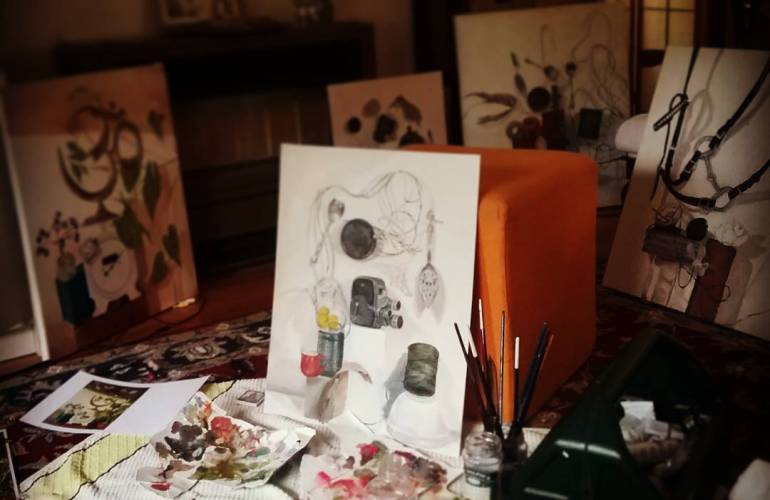
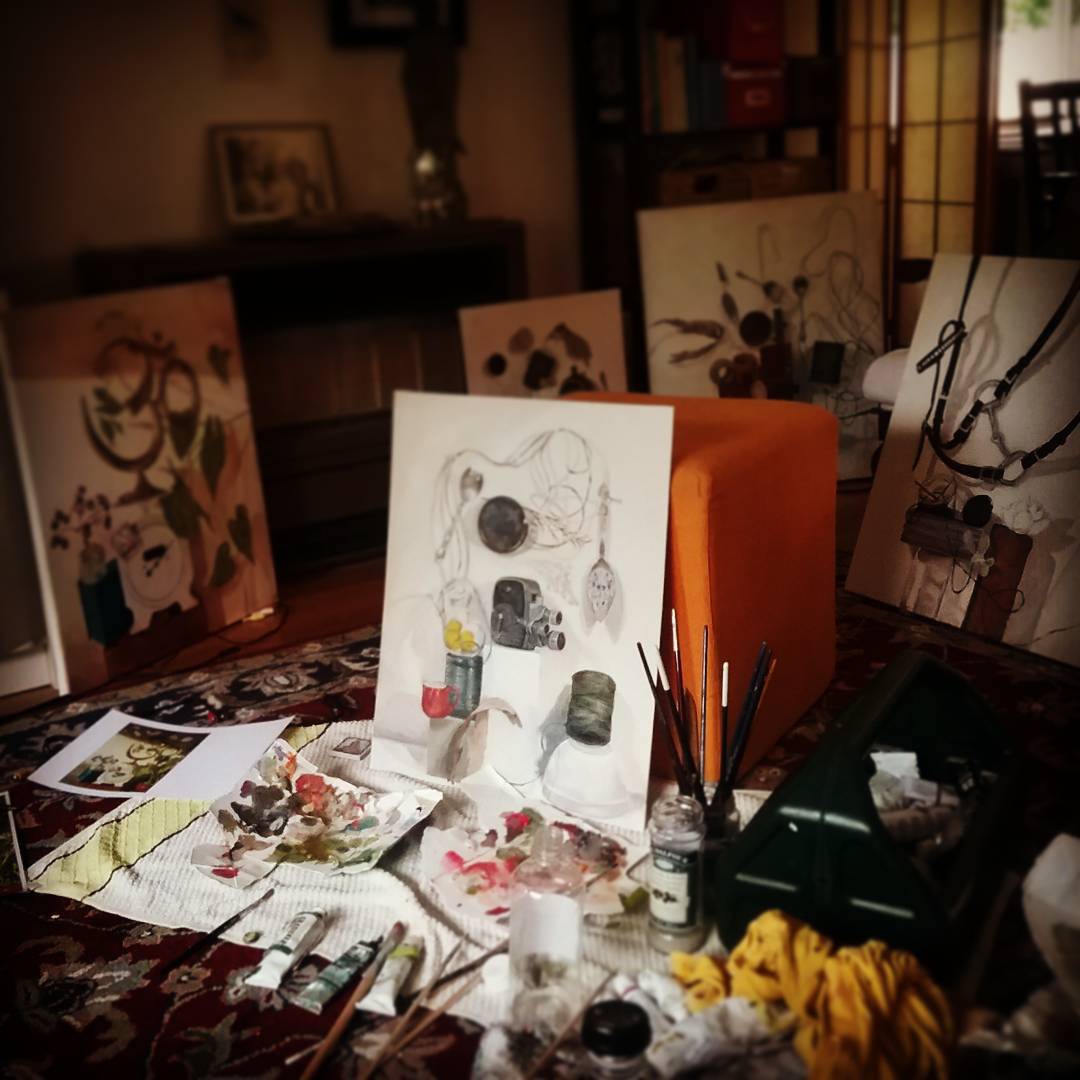
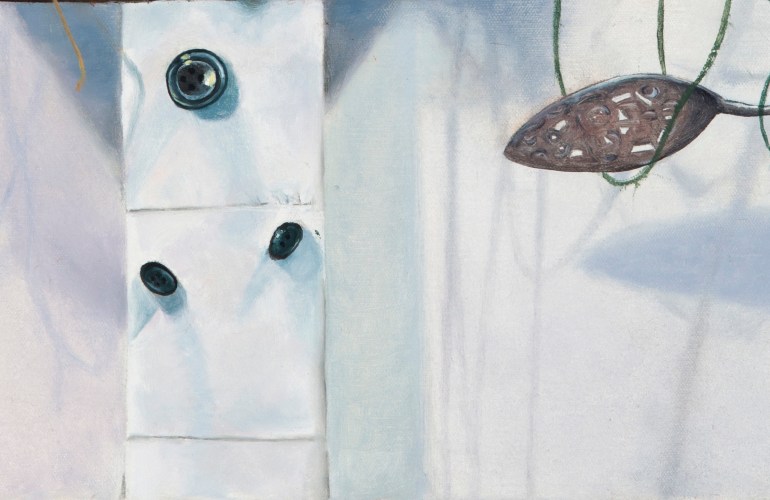
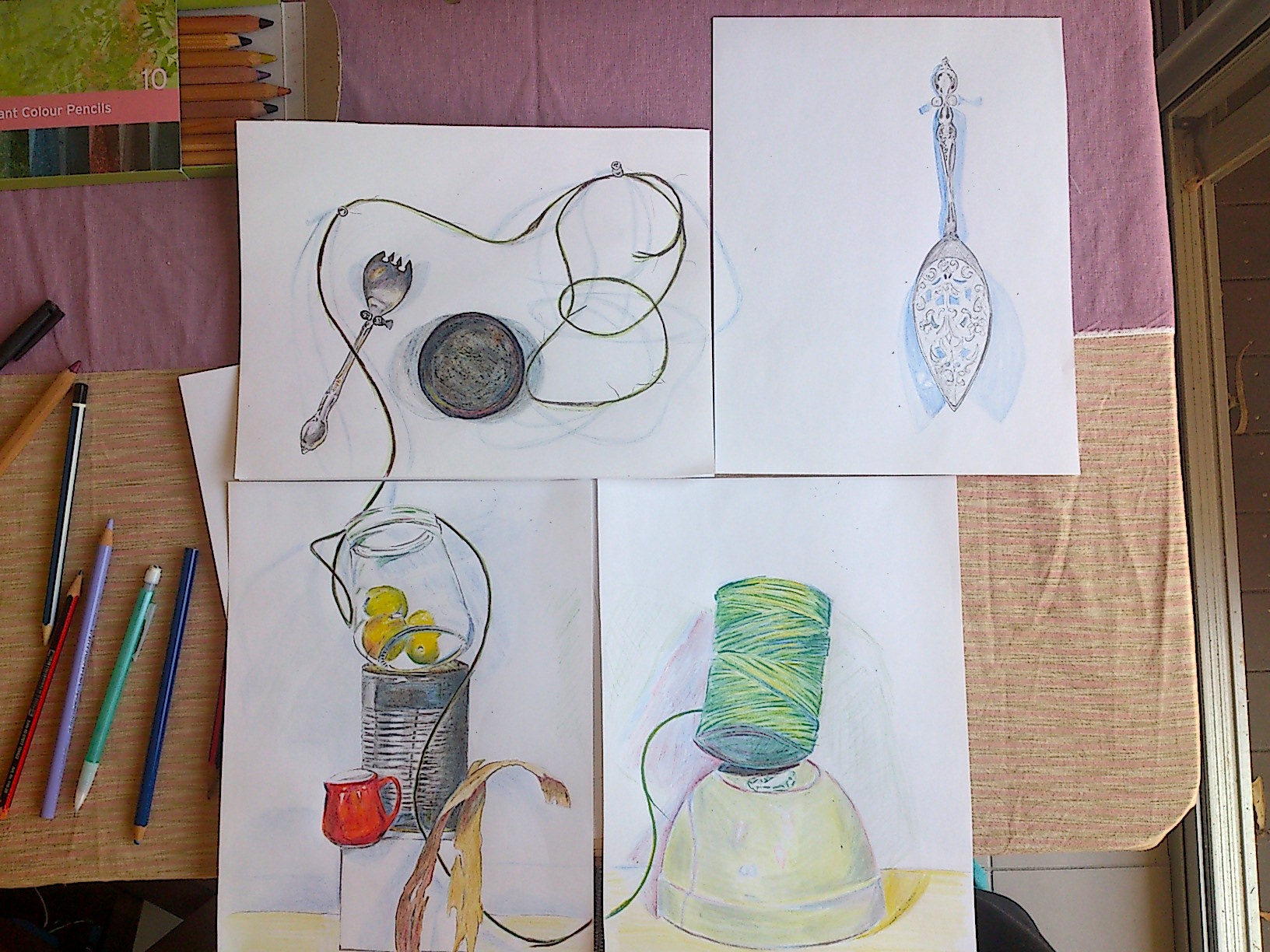
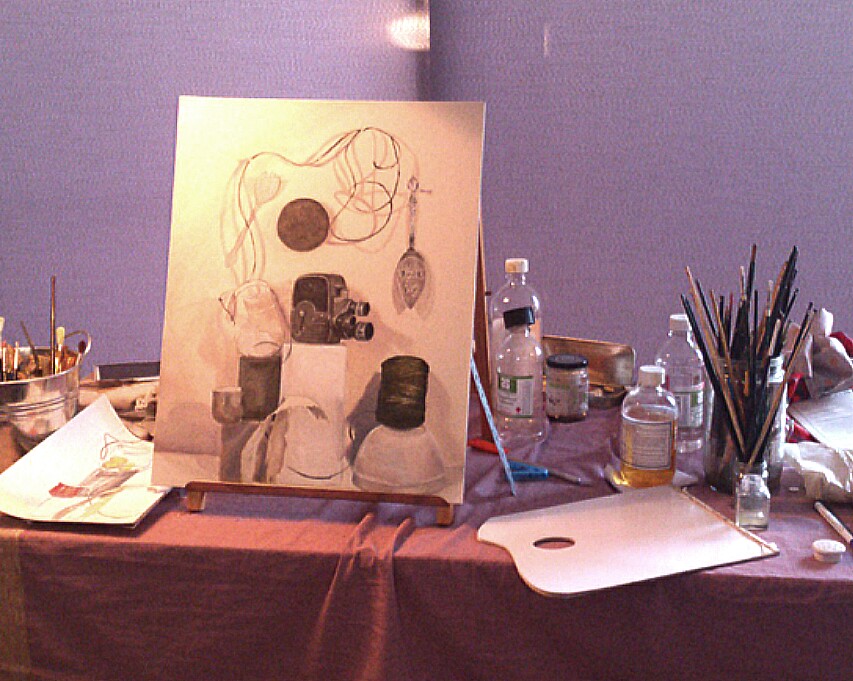
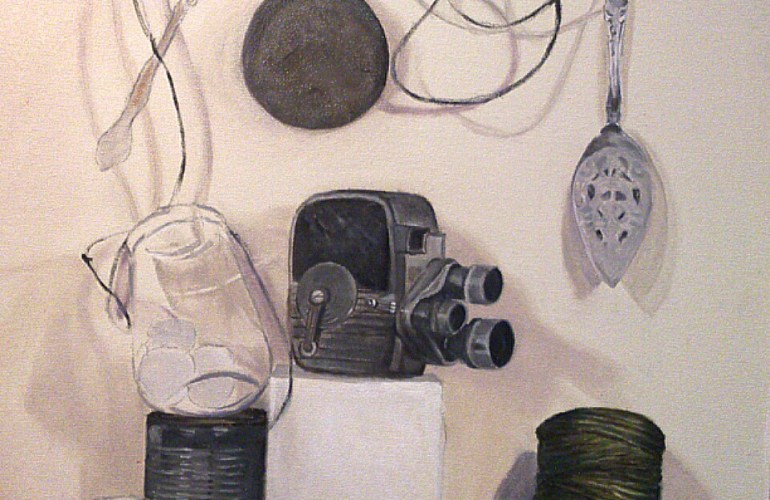
At this stage I’ve completed most of the shadow work and under-painting, with some detail started on the camera, string and bowl.

This camera was inherited from a collection that my Grandfather had build over many years. The collection moved from shelves inside his house to needing its very own outhouse at the back of their old property.
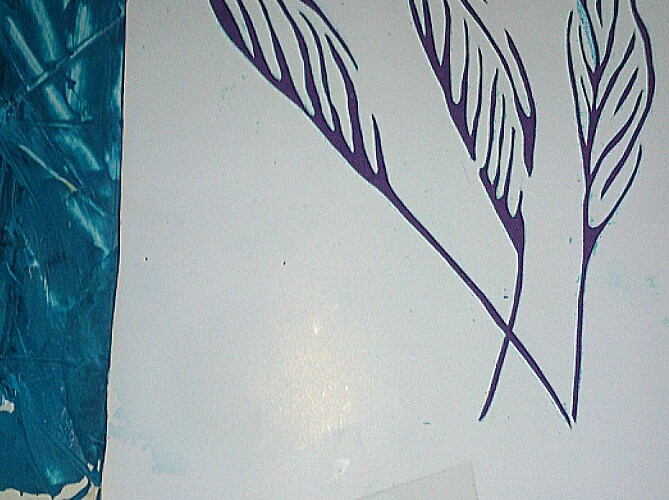
He worked as a projectionist and later a technician at the local Tech. He could fix anything. Speakers, electrical circuits… you name it. His love of gadgets and waste not want not attitude of both my Nana and Popa have inspired this series of still life. The upturned bowl was one of a series that were used for the Christmas pudding each year. The granddaughters inherited them in hope of keeping the tradition alive.

Silk Screen for Quilts

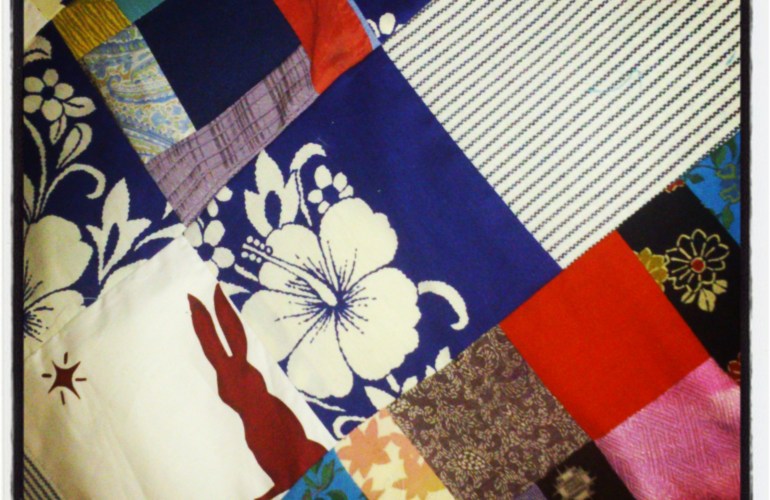
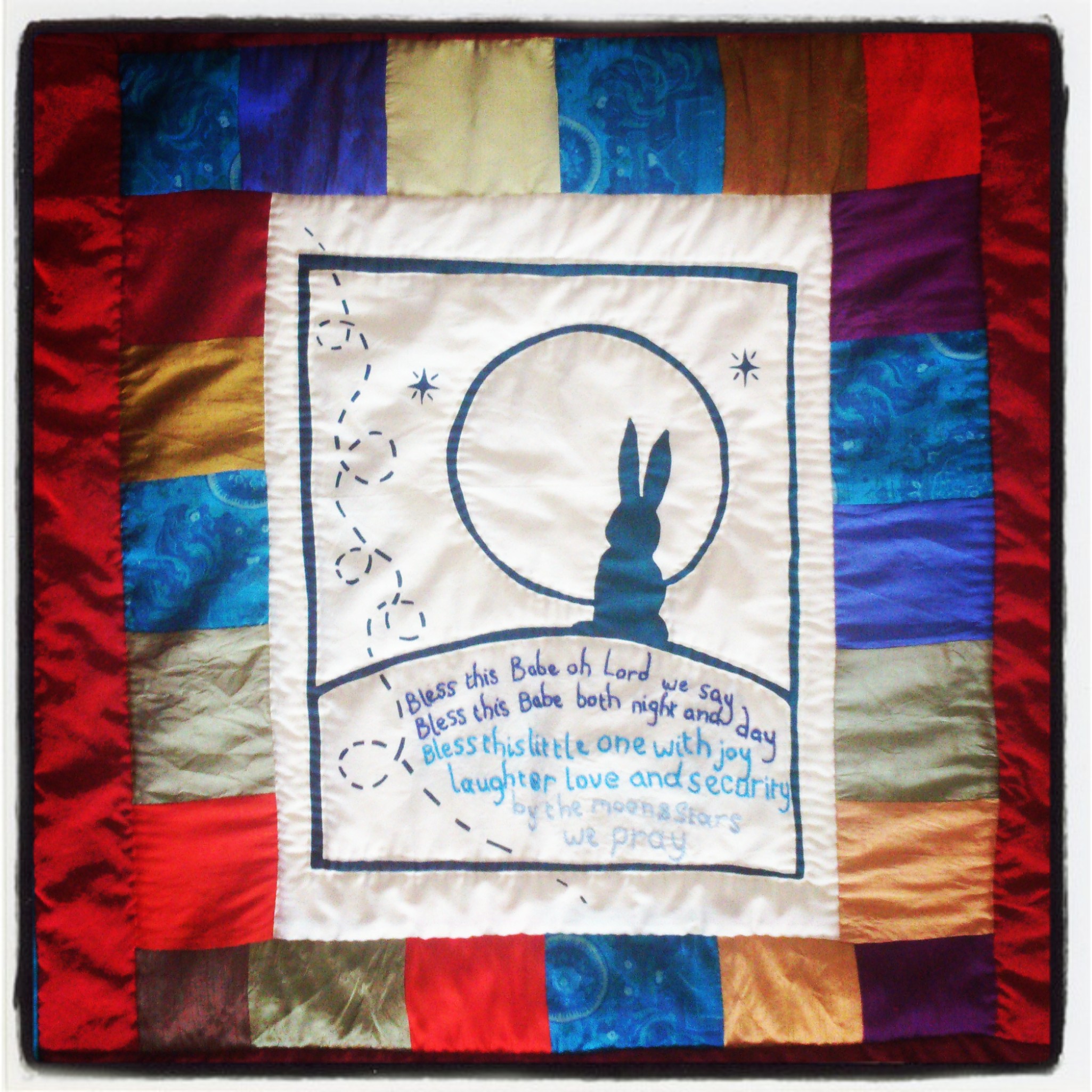
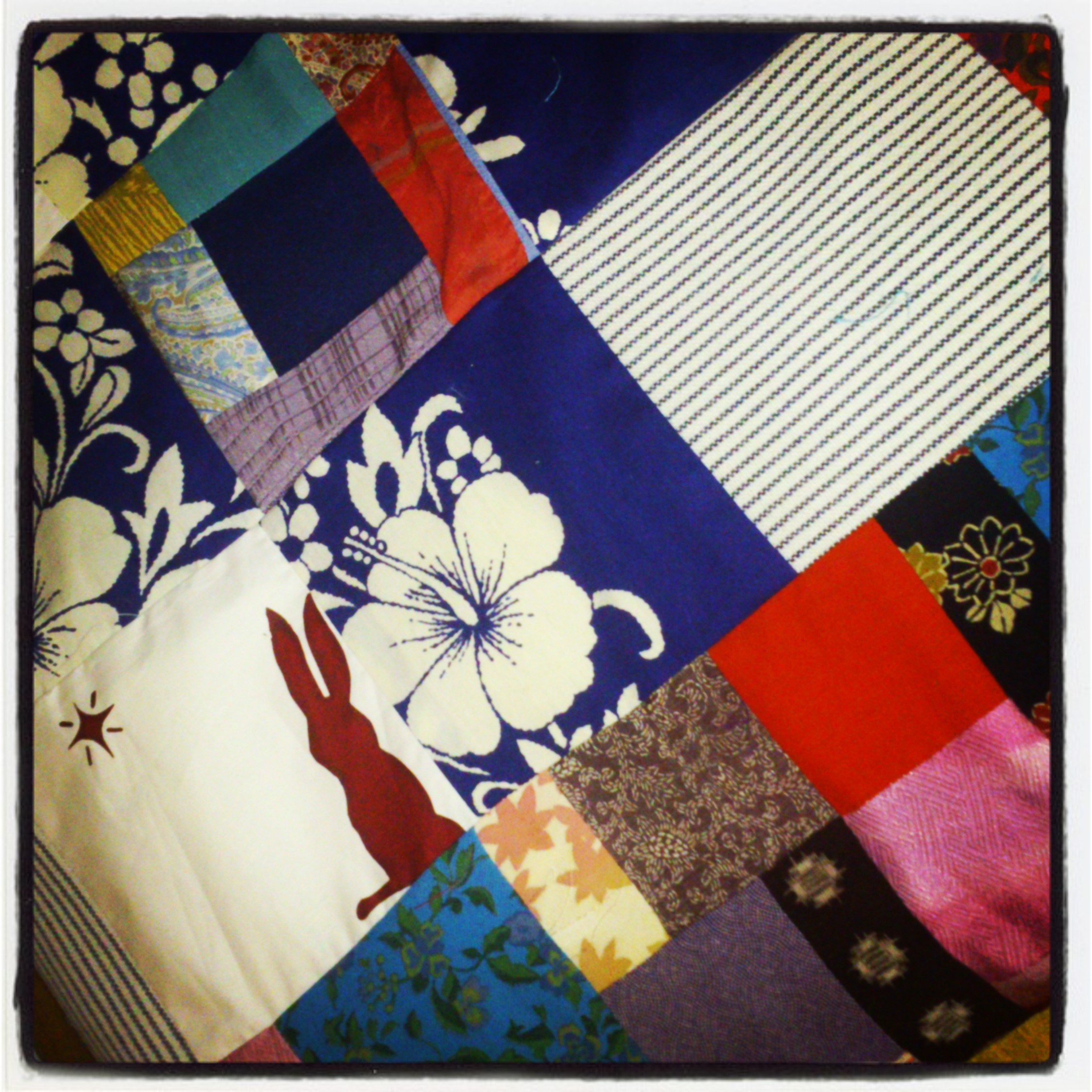
IMG_20140504_225149IMG_20140504_225623#1I recently combined the Bunny and Moon Silk Screen Design on two quilts. One for a full size single and the other a Baby Quilt. The hill that the bunny is sitting on provided the perfect space to embroider a blessing for bub.
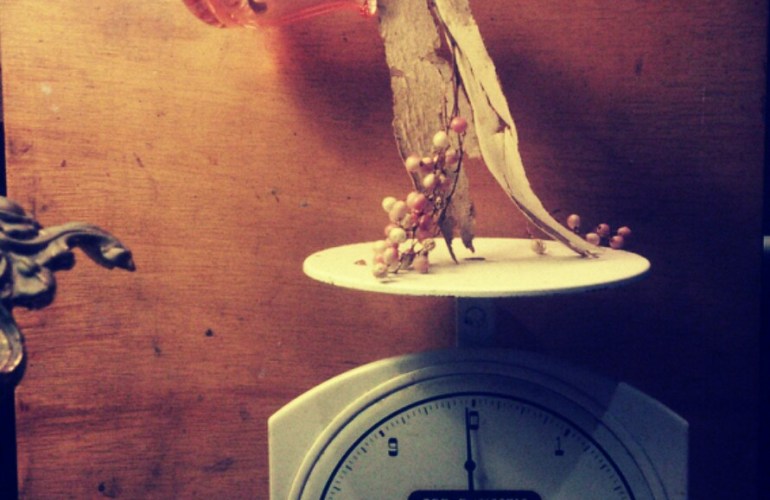
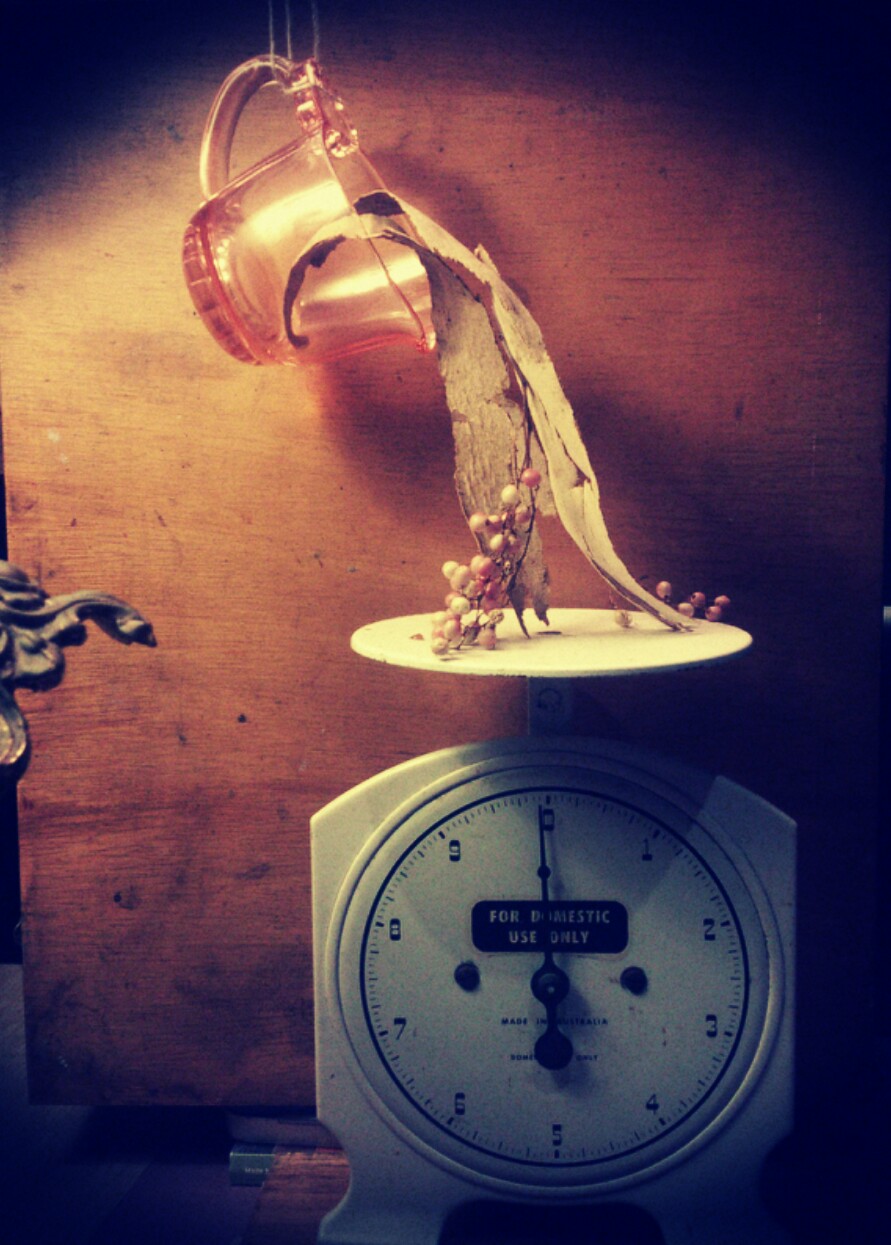
I combined Vintage Fabrics with a collection of Kimono scraps from Made in Japan which they sell at a pretty reasonable price. The piecing was done by hand and the finished quilts hand quilted and kept simple by sticking to the square edges.