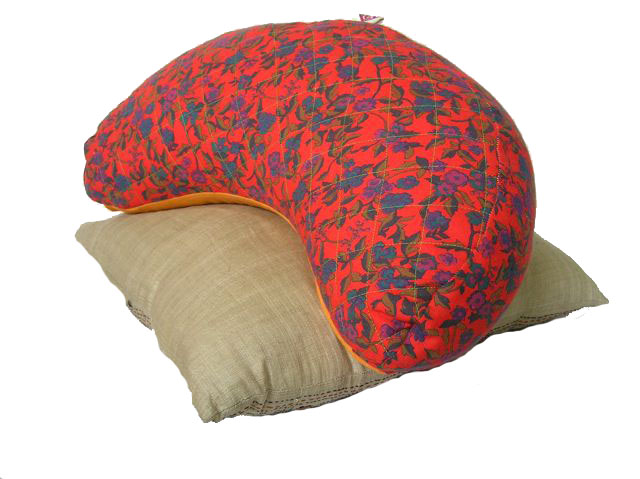
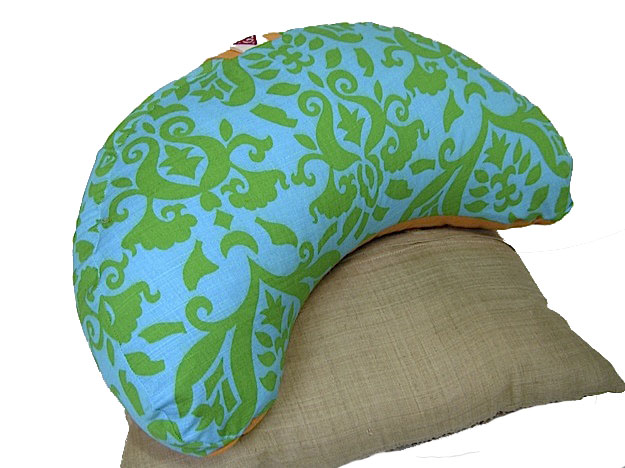
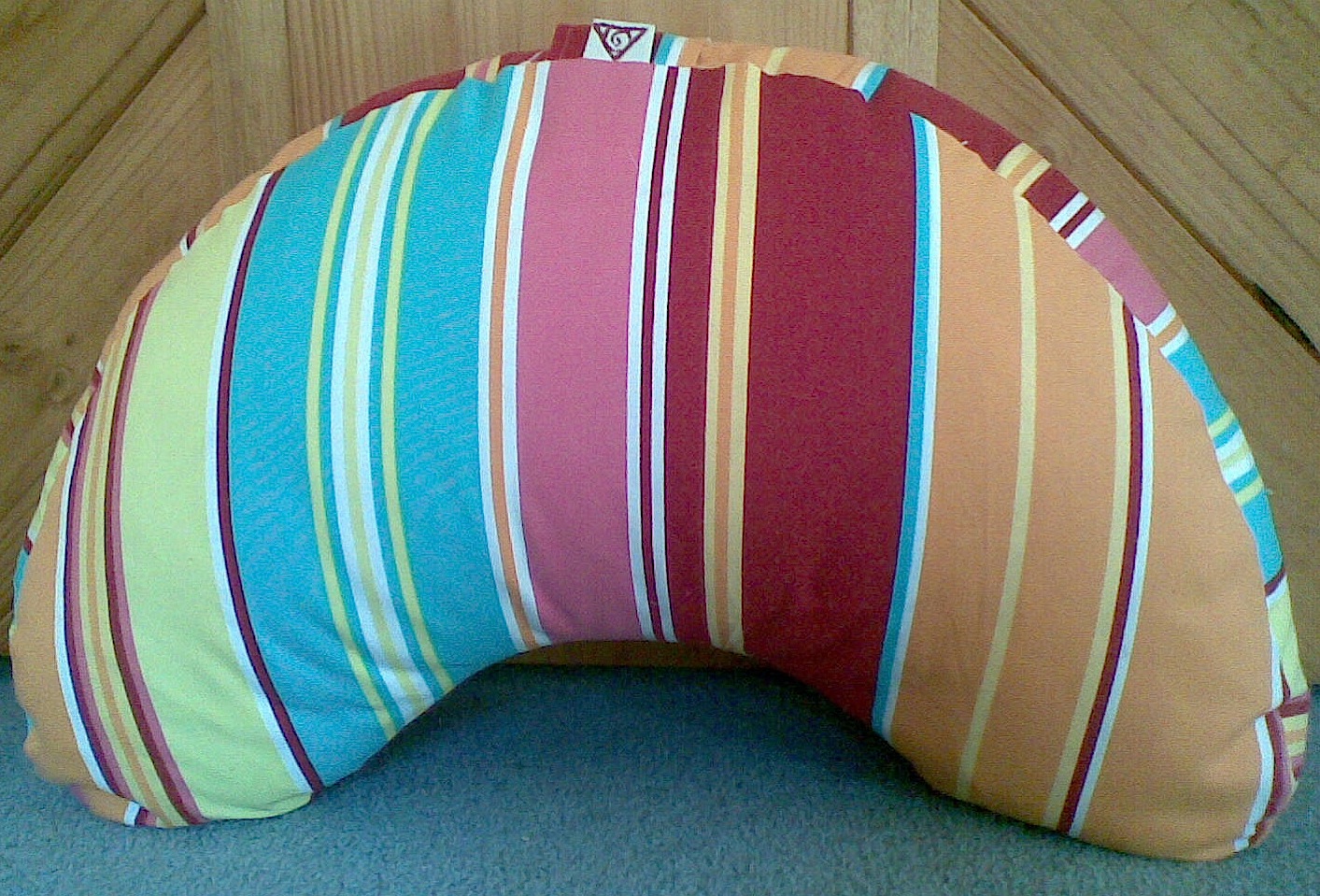
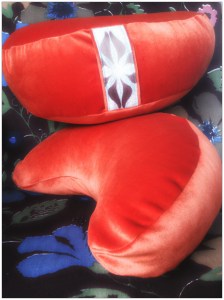
This lovely pair of meditation cushions were custom made with fabric sent to me by my customer. I added the handle from my collection. When creating any item, an important part of the process for me is having the person wh
o will be using it in mind. My motivation for making something out of nothing comes because it addresses a need. Loving intention begins, from cutting the fabric, sewing the seams to filling and stuffing. When I put a knitted jumper or pair of socks on made from hand their is a different affect that it has on me than a store bought item. This is the stuff of relationship. It was a little hard parting with these two …they ended up looking soo soft and cuddly!
Author: Wandering Wonders
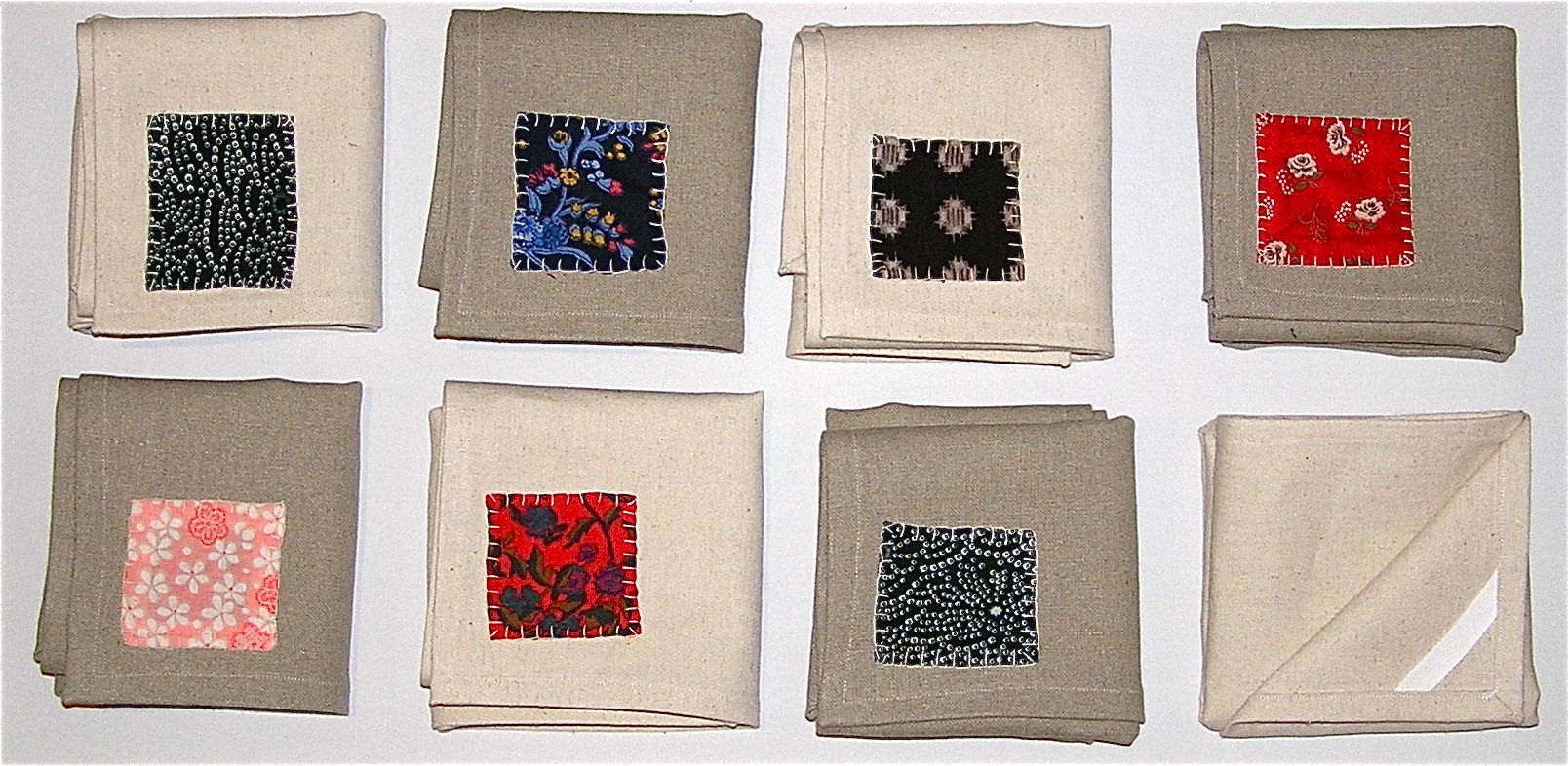
Hemp Tea Towel – at Stratford on Avon
The town of Stratford on the river Avon is home to the Stratford Courthouse and Segue Art Cafe where you can find a small vegetable garden, theatre, coffee and arts/crafts Cafe. You can also now purchase the Patch range of Hemp Tea Towels here. For more information about the Courthouse Theatre see:
http://www.stratfordcourthouse.com.au/index.html
Raised Vegetable Garden for Renters
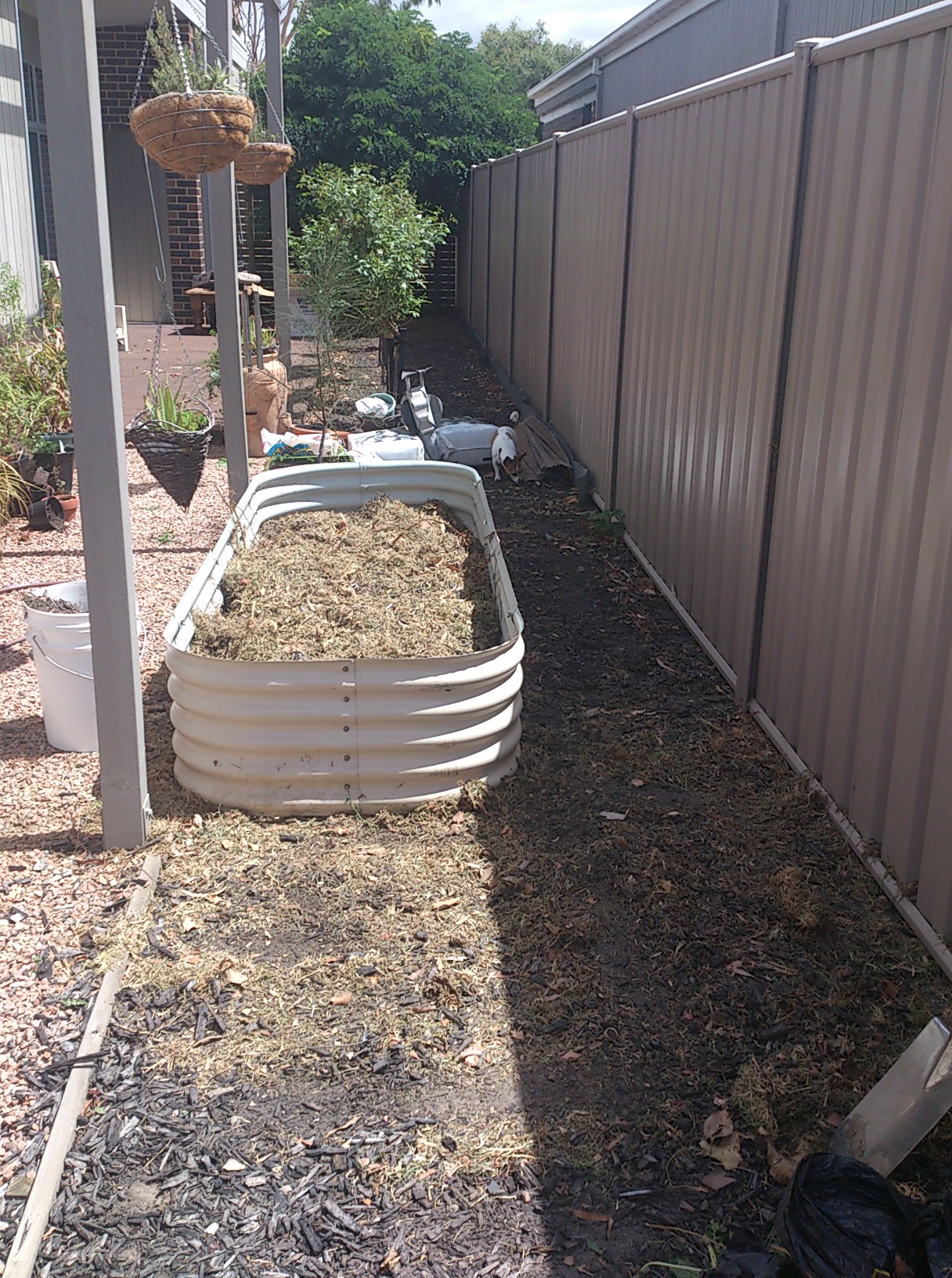
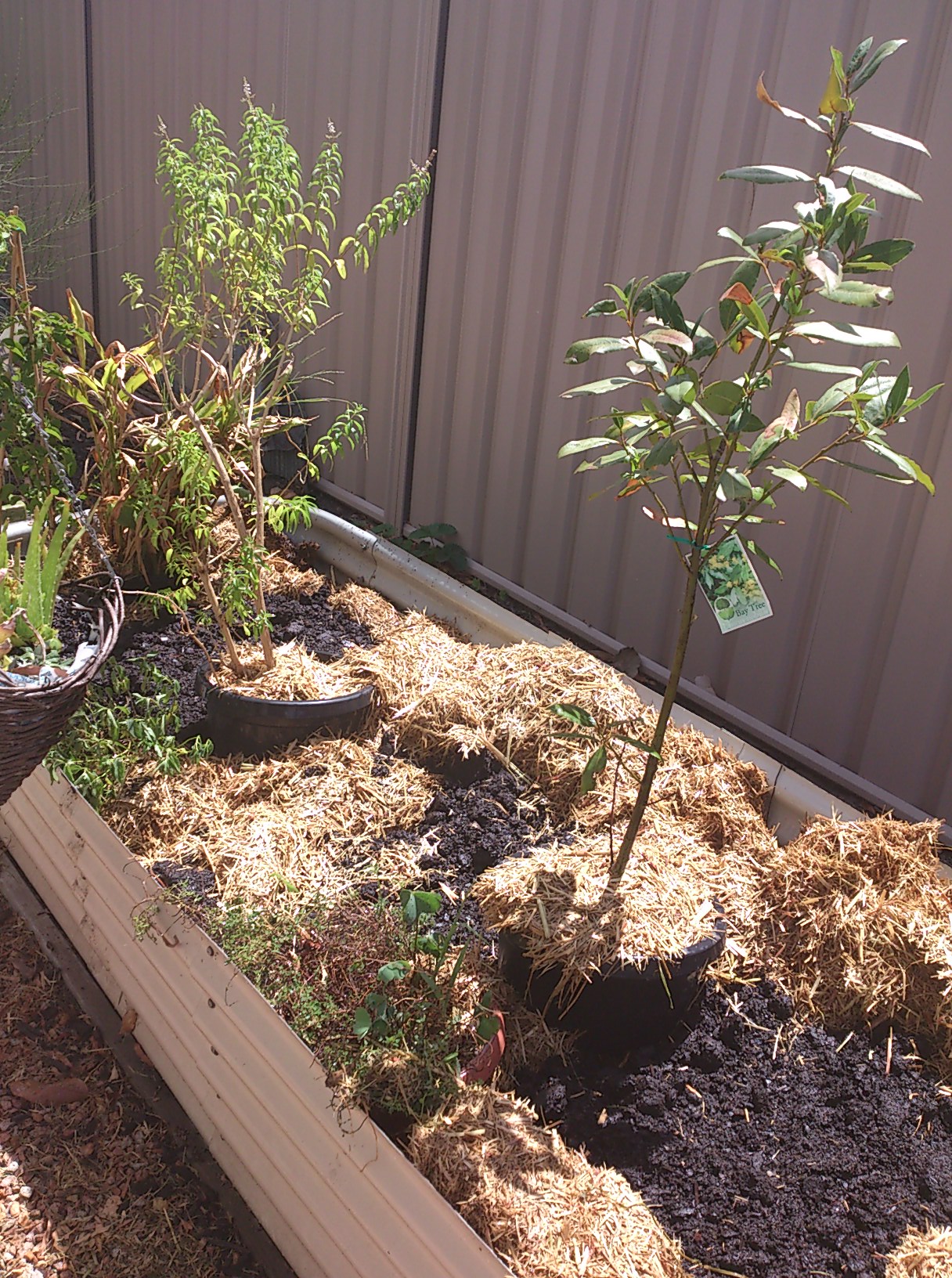
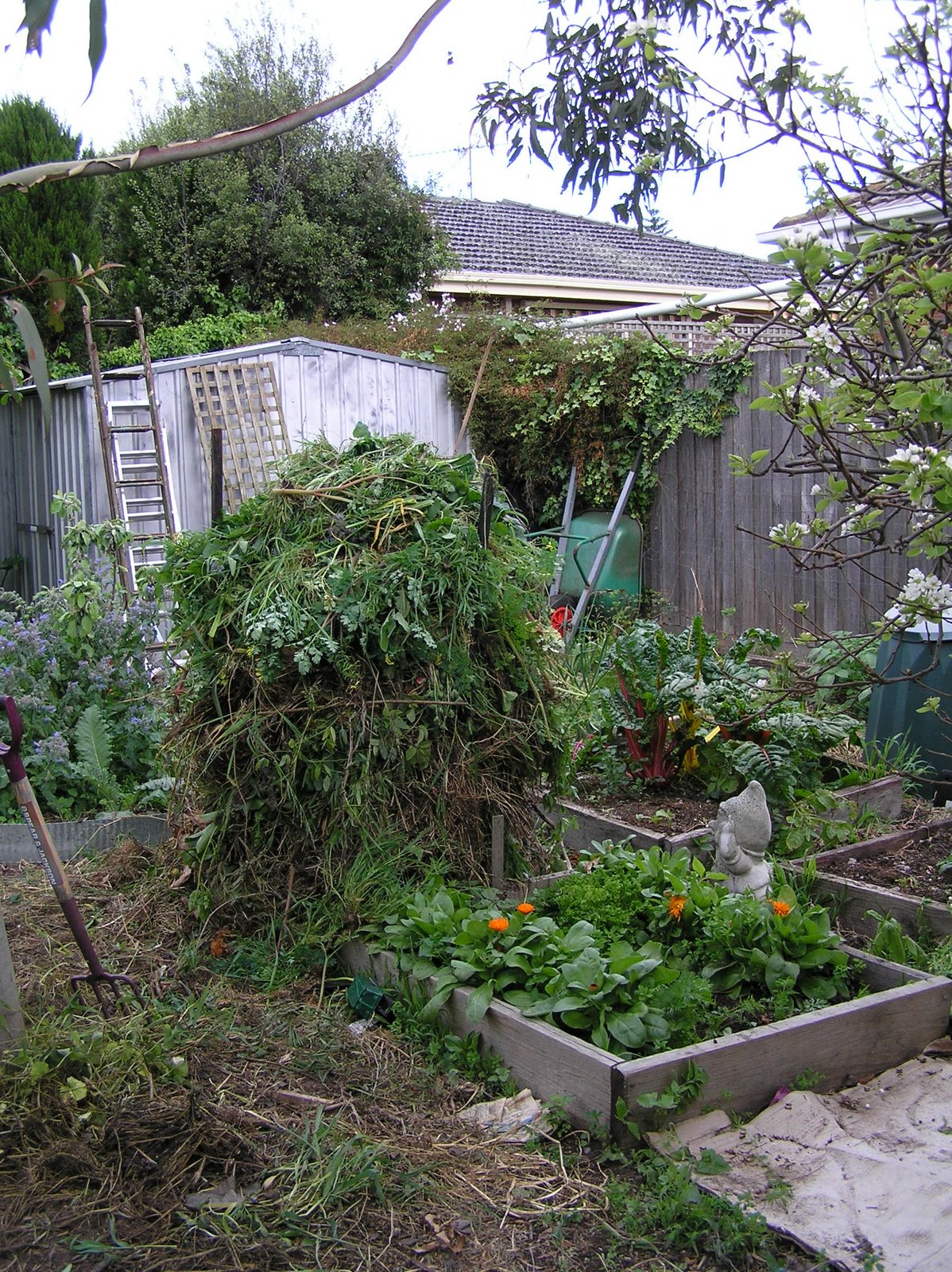
Gardening for renters can be a fruitful experience with a little planning and some open discussion with your agent. With a series of heat waves and all of my transplanted plants already showing the stress of being uprooted I was looking for an alternative to slowly dying pot plants. When I constructed this raised veggie bed I began to realise the cost of filling it with enough quality compost was going to out way the benefits of growing my own greens. So by interplanting established pot plants within the veggie bed, I have not only cut back on the amount of soil needed, but also provided some shade for my soon to arrive seedlings and provided the pots with some insulation from evaporation. It also means year round green and diversity for me to look out at while admiring my veggies. Here are the steps I took:
Step 1: Begin to collect lawn clippings.
Keep half of them in sealed garbage bags with several holes in the bottom, this will break down quickly; keep the other half unsealed to dry for more bulk. Mix both piles with animal manure to balance the PH levels. Hose this layer down thoroughly.
Step 2:
Once the grass clippings reach half way up the veggie bed place the bags of compost where you will be planting your seedings or seeds. Then place your potter plants around them keeping in mind shade lines and companion planting techniques. Hose this layer down
Step 3:
Pile sugar cane mulch or lucern around the boundaries of the soil, walling them in and insulating the edges. Then empty the compost into the holes formed. To this compost add organic fertilisers and wetting agents (coffee grinds are a great alternative to the manufactured varieties). Hose thoroughly and get planting!!!
India Flint
I first discovered India Flint while browsing the Hard Backs at my local Bookstore, when it still existed! Her book ‘Eco Colour’, once picked up could not be put down. India Flint is the Australian Guru of Natural Dying Fabrics. There is no better Coffee Table Companion for the textile enthusiast.

Except perhaps, her more recent publication ‘Second Skin’ which focuses on how to care for natural fabrics and naturally dyed fabrics. For more information visit http://www.indiaflint.com/
Self Portrait 2013
The Beauty of Buckwheat

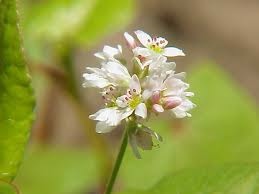
You may have heard of Buckwheat, perhaps in a Japanese Restaurant while ordering a plate of Soba noodles. Buckwheat hulls are dark outer shell of the buckwheat husk and are ideal as a weight bearing cushion filler due to their durability and strength. It is also noted that due to the amount of air circulating in and around the buckwheat husks, and as they do not collapse underweight, these air pockets allow for a lower degree of body heat to be absorbed by the cushion, making for a much cooler and comfortable meditation session.

The plant is an ideal weed redundant due to its fast growth season and is a successful wheat alternative in Japan, Tibet and China due to its ability to grow in harsh environments. If you are in Japan and looking for an authentic Soba Noodle experience you cannot miss the town of Izushi, in the Hyogo Prefecture. Buckwheat flour is used more commonly in the West as an alternative for wheat allergies and make a lovely nutty flavoured pancake, however consider using more milk, or in the case of bread, water when using buckwheat flour due to its high absorbancy rate. Buckwheat Crepes with blue cheese and a glass or white wine are just about the most perfect combination either in France, or if you can find an authentic Crepery. This delicacy is also shared in Russia, and is known as blinis.
In Japan buckwheat husks have been used for many years to fill the tradition zafu cushion. Lilliane Wilde meditation cushion have used 100% Buckwheat husks for filling for 8 years and cushions that have been used daily during this time have not required re-filling.
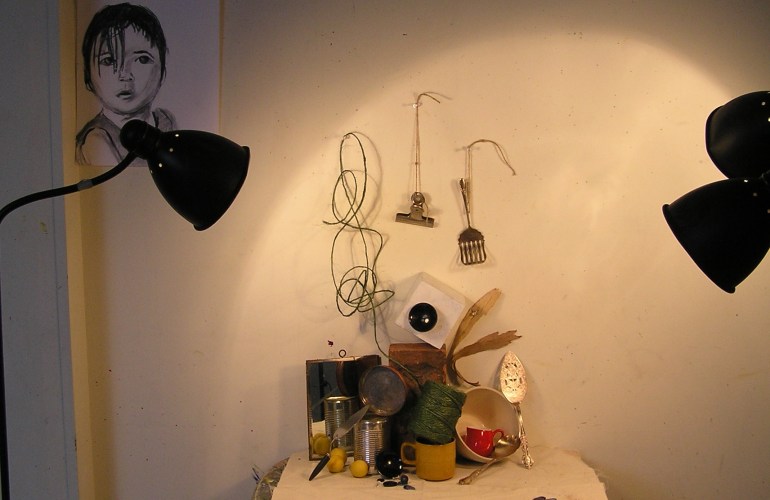
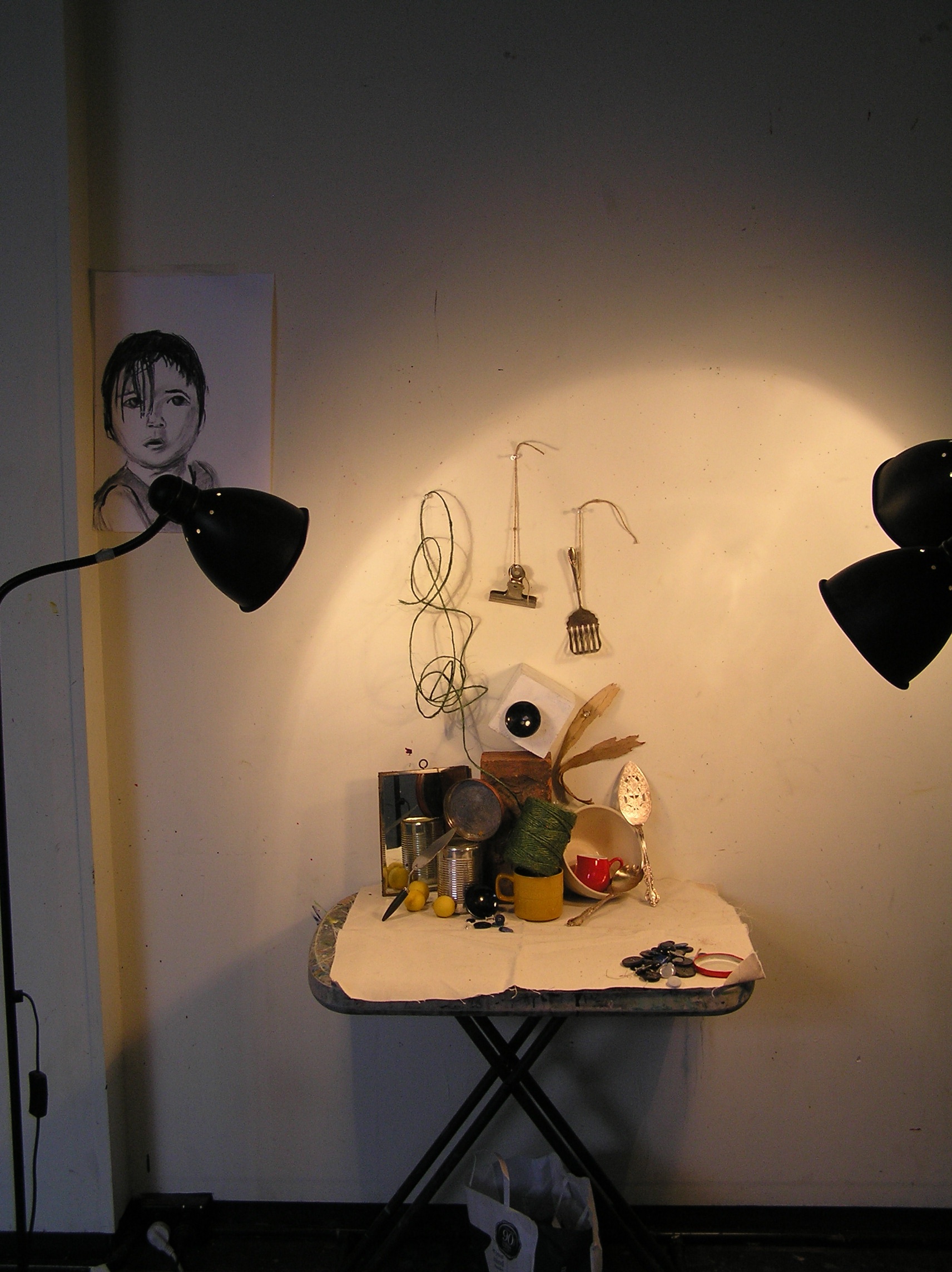
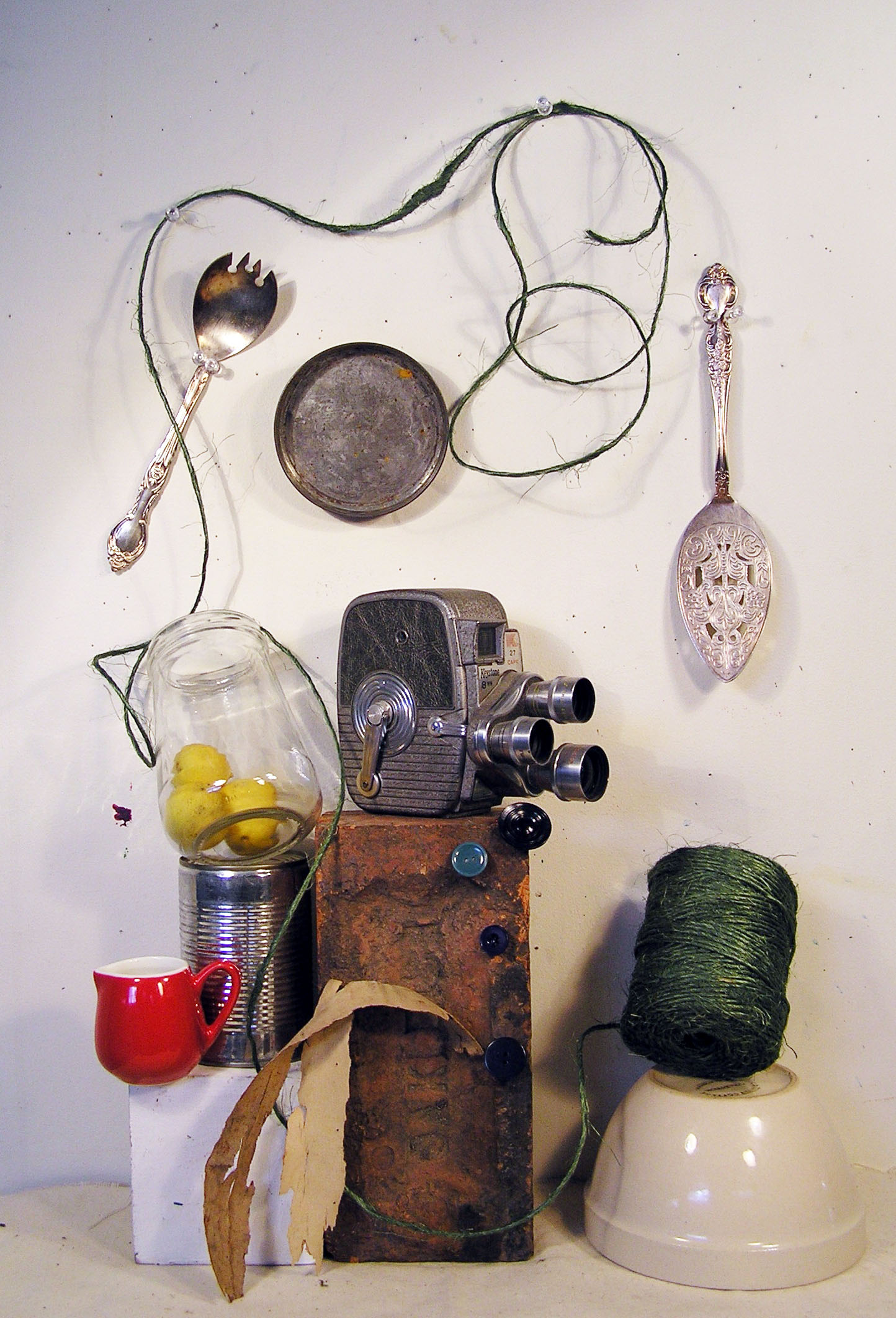
Still Life Set Up Process
Most of the work in a still life is getting the right set up.
I have recently been working with objects as narrative and wanted to share the set up process.
I start with a collection of objects and usually put too many together and slowly take them away until the right combination comes about.
Then I use at least three lamps to get multiple shadows. Consider the warmth or coolness of the wall and the shadows and remember photoshop of filter software can assist in creating the desired affect.
If you don’t have coloured lamps then simply paint some acrylic colour onto the top of the globe.
Hemp Fabric
Why Hemp
The choice of Hemp and Hemp/Cotton blends for the Lilliane Wilde tea towel range was both practical (it is a top quality, anti-bacterial, hardy fabric) and ethical (Hemp plants can be grown quickly, without the need for pesticides and without the need for as much water as cotton alone). The use of Hemp for Industry is second to none! This was shared by a friend over lunch one day and had everyone converted in minutes! I hope it does the same for you
Who is Lilliane Wilde?
The business Lilliane Wilde has evolved over many years from a passion towards arts, craft, the environment and the power of relationship with the objects we use everyday to our sense of well-being.I recently moved to Gippsland to slow down and have more time to create. When I told my family, my Mum shared the story of her Aunty Doss who once ran a Dress Making Store in Maffra, before the day when locally sourced was trendy, it simply was!Now Lilliane Wilde is returning me to those roots, when you knew the person who made each stitch of your garment and each item was one of a kind. The name sake of Lilliane Wilde was also a dress maker, in Melbourne who worked up to retirement age in a Dress Studio in Parhan. Her collection of Vintage fabrics are featured in the Lilliane Wilde Product Range. I have also, over the years collected vintage clothing and these little treasures are scattered amongst the hand made items. To learn more you can read the “About” at the Website.With thanks for your support and for joining me on this journey back to basics,
Sarah (aka Lilliane Wilde)
Grafting Wtih Graeme George
Graeme George is a National Treasure. His wealth of knowledge is like non other that I have crossed, not am likely to ever come across this life time. We were lucky enough to have him for an afternoon of grafting at the Ballarat Observatory in August. The heritage conservation of fruit trees through grafting is something that I came across at the Toora Heritage Pear Orchid and so it was lovely to have this experience re-enforced during this weekend workshop. Withing the process of harvesting heritage species the importance of good record keeping is essential – and while labeling your stock and cyam is the obvious first step – keeping an electronic record is probably more critical. Which reminds me to photograph and blog what I grafted and planted!
Farm Stay at David Arnold’s Murnong Permaculture Property
The All Season’s Permaculture course has moved into Spring and we celebrated with a Farm Stay at David Arnold’s place Murnong, at Violet Town. Having now visited several Permaculture properties, what struck me about David’s design was its clear Zones and forward thinking. Consideration to succession planning was not obvious at first, but after spending the day walking the land with David, the complexity of his design became more evident. He had made use of Peter Andrew’s leaky wear system to create a miniature delta flood plain (while the drought is over), with nearby town run off, that runs through his property, much the same as at David Holmgren’s place at Hepburn Springs. Two elements of David Arnold’s property got me really excited – the first being the emphasis on Agroforestry and the second his approach to grass or paddock spaces as microforests also to be managed through seasonal “pulsing”. David’s consideration of tree species for optimum yield – for both fruit and timbre has developed over years of working with re-forestation projects and also through the simple method of trial and error. This is an area which has scope beyond what we could cover over the weekend and hopefully down the track an agrofrestry course may follow this PDC! At first glance of David’s design, there appeared to be a lack of layering as is seen in the common design of food forests. However, as David spoke about the spacing of his orchard species, in relation to rain fall and soil type the picture above the surface of the soil began to make more sense. This is a farm which is harvesting soil life and plant complexity in all forms. What appears to be grass is in fact a microforest of species for trapping and ultimately recycling micro-organisms and nutrients into the orchid and farm system as a whole. What is critical for this element of the system to work is timing the cutting of the grasses, allowing for enough growth to harvest the full potential of the plant life both above and below the ground. I admire David’s ability to “Accept Feedback” and relate the land as a teacher.
Retrofitting the Burbs
I had the chance today to sit in on David Holmgren’s Retrofitting the Suburbs for Sustainability at The Wheeler Centre.
It was very timely. Getting into work – a colleague spoke about how crazy the amount of time it took him to commute into the City given that he lived just North/West of the CBD. We had both experienced not being able to board 2 trains/trams simply because we couldn’t fit in!!
As I took the tram up Swanston St and compared the volume of foot traffic to when I was studying in the city 10 years ago … it feels as though it has doubled.
With what David describes as our Energy Descent Future and the subsequent reduced mobility of people and goods – moving either closer to the city or re-locating to a job closer to home is already looking like an appealing option.
At the moment riding my bike is an option – but even along Swanston St – with the new MEGA Tram Stops (no more Trams actually servicing these stops) the bike riders are currently battling with pedestrians and tram, so bridging the South Side of Melbourne has become ever more of a challenge for our warriors on 2 wheels.
But above the doom and gloom David’s talk was humorous and engaging. I live in a street very much like the one he described in his talk on ‘Aussie St’ – a neighbourhood of four houses battling to come to terms with a failing economy and energy crisis. What rang true for me out of this talk – was how much richer in community we can potentially become. Choosing your neighbours wisely in this scenario was critical. I see the ‘incremental adaption’ that David described already emerging. I run a small business – using recycled material – not only because I love the vintage look – but because having worked for a multi-national fabric company – I know the extent of price exploitation on imported fabrics. I am also aware of the social and environmental impact fabric manufacturing has on our Asian neighbours – where most imported fabrics are sourced. I see the increments becoming leaps and bounds before we know it. Its not only a rather confronting time to be alive – but if you are willing to move out of old habits – its a really very exciting time – to watch and see – can our innovation overcome our fears.
Garden Yoga
An instructional video about making gardening a yoga practice.
The easiest Compost Pile Technique
Cauliflower
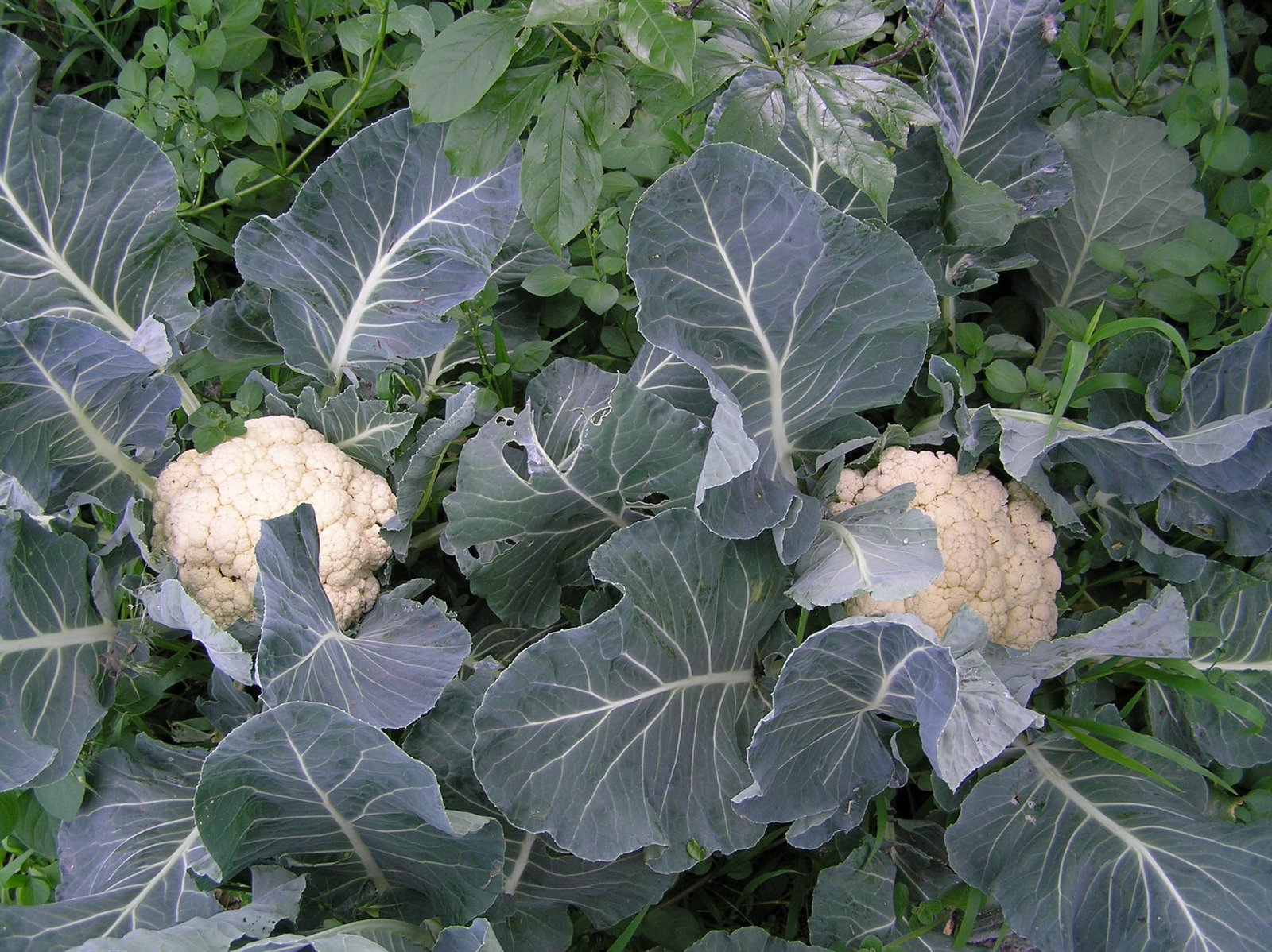
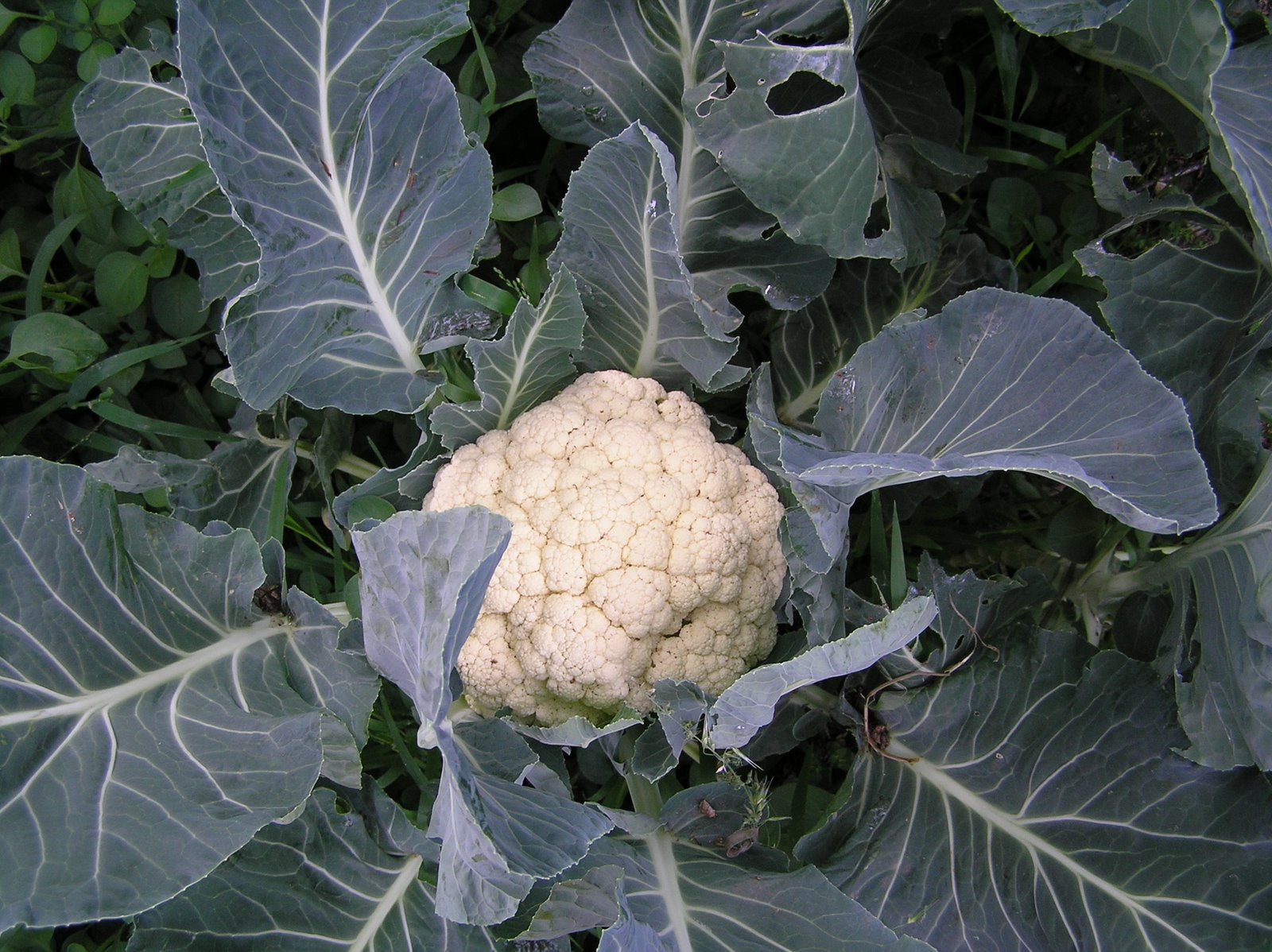
About three weeks ago I was weeding around the plum tree and thought what a shame that the Cabbages I had planted beneath had bolted. My efficient-self was eager to pull them out and add them to the compost bin. Another quiter-self said, not now. Lucky they didn’t get the yank… as I got a fabulous fright to see two big white Cauliflower faces smiling up at me – seemingly sprouting over night.
I harvested them today and not a bug in sight!
Curried Cauliflower for dinner!
Linda Eldredge on Radio National
Today while listening to the bush Telegraph on Radio National – Linda Eldredge’s description of working the land while referencing her apps via her iphone and making the paddock her office got the host and in turn myself very excited.
Although determined not to be online 24/7 and therefore holding off the temptations from my phone company to sign up for an iphone, this interview conjured in me some practical uses for Permaculture Design.
For example. Being able to assess a remote property – anywhere on the globe in fact and reporting back a Permculutre design with the aid of video footage.
Also an accurate assessment of lay of the land, climate patterns and topography, while walking the land with a client.
I think it is early days – this interview will provide some inspiration for those (like myself) who are tech wary!
Grafting Success
Its been just about a month and the grafting has been a success.
The objective for grafting came after a visit to Mama Longo’s garden last year. She wanted to have a graft of the plum tree we have here at the Miyoga Garden.
Unfortunately by the time the grafting workshop at BAAG was organised it was too late to graft Plums. Also Mama Longo didn’t have a plum so we have this weekend planted one ready to graft next year!
Some tips for Grafting sucess:
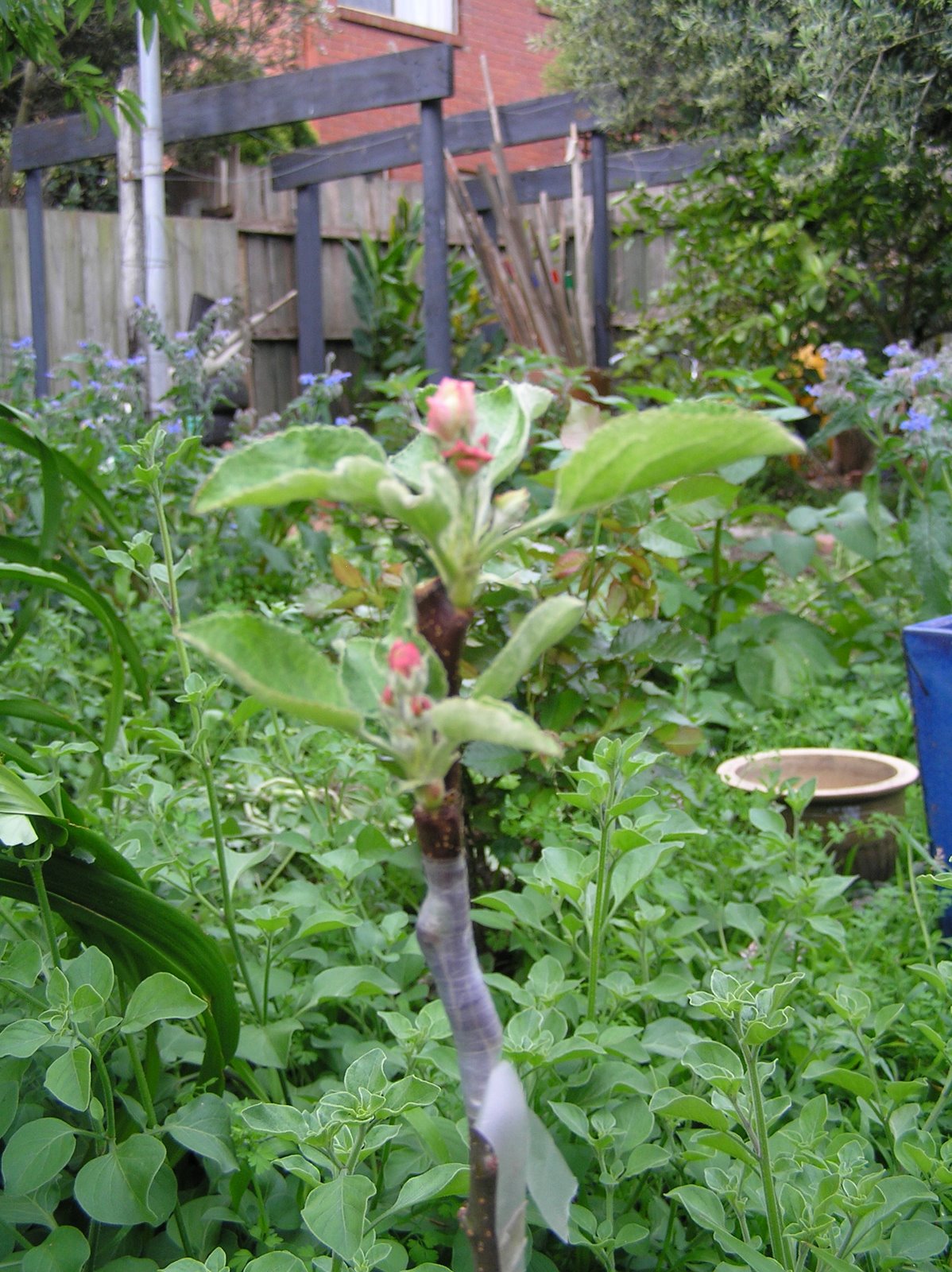
In the Southern Hemisphere July – August is the grafting season. When the sap is rising, the tree must be growing, not dormant, but also not flowering.
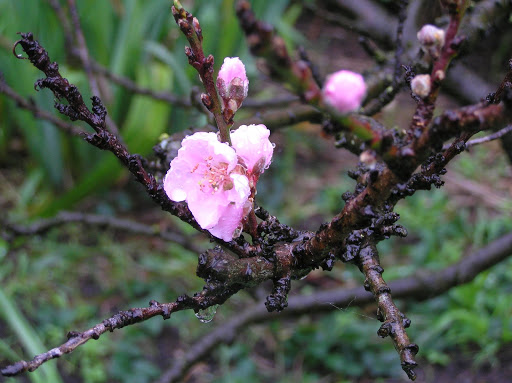
Drop flowers off below the graft as you don’t want them taking precious moisture away from the area.
For Soft Wood a cleft graft is recommended – for other woods a tongue and whip
Keep your grafting knife sterilised with a jar of 1/2 metho and 1/2 water – this is also a good practice for your pruning tools.
Dwarfing trees is made possible by intersecting a species with a segment of a dwarf stock. For example a Pear tree – grafted with a dwarf apple – followed once again by the pear species.
Use small plastic bags to seal the graft and keep moisture in – however watch the temperature on the day.
If you are north facing – then make the graft on the south side of the plant – so that it won’t be dried out too quickly.
Always remove buds off the root stock – otherwise it will take over.
Who goes with whom?
Apricot go with Plum
Citrus go with Citrus
Apple go with Pear
Quince go with Pear
Persimon go with Persimon
Plums go with Plums
Apples go with Apples
Nectarines go with peaches
Figs on with Loquot
Benefits of grafting include choosing root stock that is suitable to your land and conditions. For example if you are flood prone then you can grow on root stock that tolerates a wet soil and graft an apple that normally wouldn’t survive these conditions.
It also assists in cross pollination and allows for a longer fruiting season. Ideally you could have an apple tree that provides fruit all year round! A challenge.
Tips for Breastfeeding Mothers
One: Have the right Chair
Arm rests on both sides
Straight backed chair
Not too deep
The right height so that the feet can be flat on the ground
Lift the feet on a rest so that the knees are parallel to the
the hips or slightly above
Two: Cushion for Mum and a Cushion for Bub
Place a cushions at the small of your back
And place the feeding friend under bub
Make sure your feeding friend is snuggled close to you
Three: Take note of the shoulders
Check that you aren’t slumping
Drop the shoulders and square them to the front
Four: Remain mindful of the neck
Swap sides and avoid over stretching the sides of the neck
Take time to look up to the ceiling to counter-stretch the back of the neck
Five: Routines for Comfort
Make a habit of having some water nearby and stretching the body after feeding.
Grafting Workshop
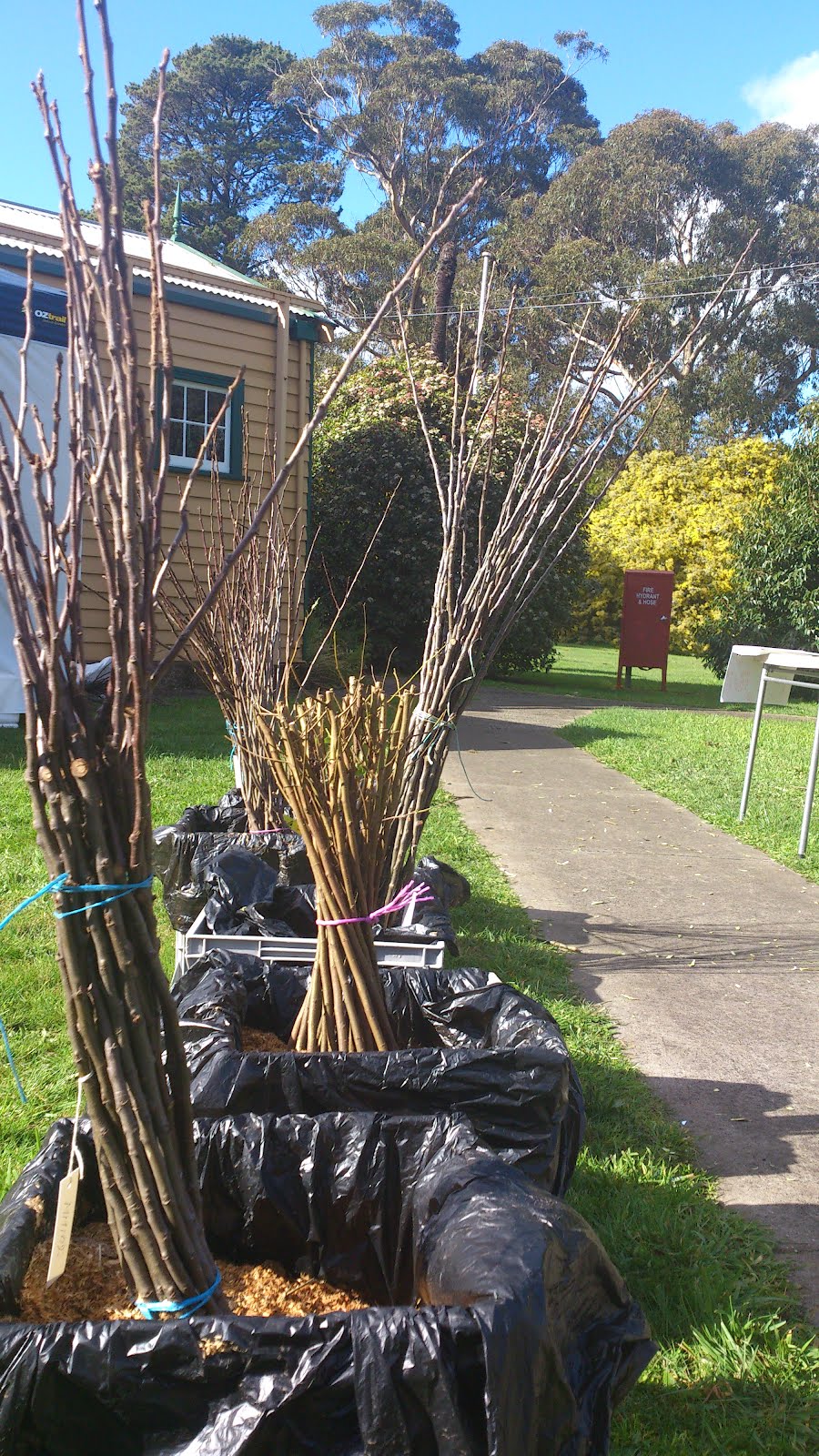
Well this weekend I put a Doc Hog onto a Granny Smith. Sounds like the promo of a British Crime TV series. But no, I was grafting. Having learned the basics with Neil last year at the Toora Heritage Pear and Apple Farm it was time to weild a grafting knife myself. The workshop was organised by Buleen Art and Garden. The more that I learn about grafting – the more there is to learn. Well that’s the same as gardening in general isn’t it.
After the workshop a visit to BAAG followed where I discovered a native plum which is home in the Australian Rainforest. I would have liked to experiment a bit with this one to see if a European plum would take to it – however am not confident that the climate in Melbourne will sustain the rainforest plum – perhaps when I get my hot house the experiment can ensue!
For Mama Longo I am swapping her my new grafting skills for some Recipes. I think I get the better end of the deal!
Sneeky Street Art
Winter 2011
Last Days of Winter! This week I have potted up some Raspberry sticks – and got a bit ambitious and a wee bit eager for Spring/Summer by purchasing some Eggplant Seedlings – but just couldn’t resist.
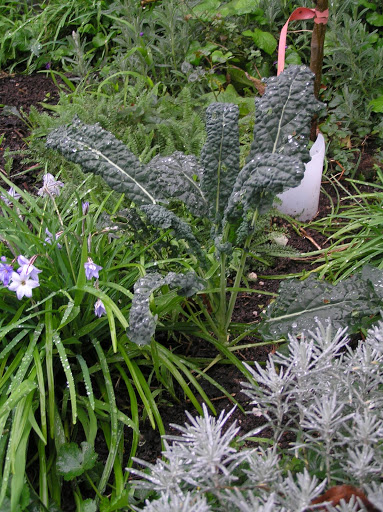
The Kale seeds from last year have produced some hardy little seedlings. I’m hoping they don’t bolt too quickly as the warm weather approaches.
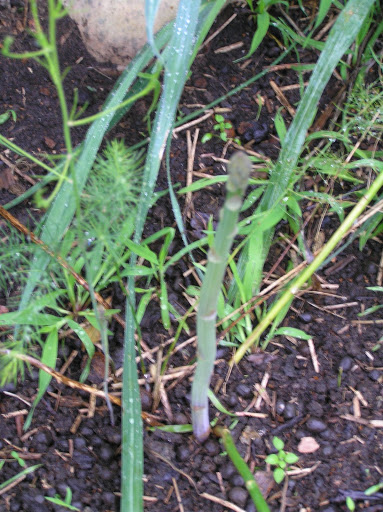
The first asparagus appeared under the gaze of Mary! I will plant some more to bunch the patch up and get some product in the next 2-3 years.
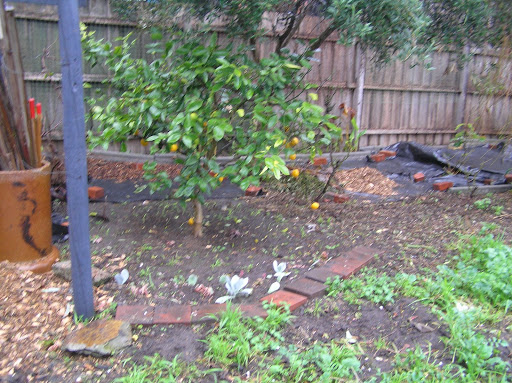
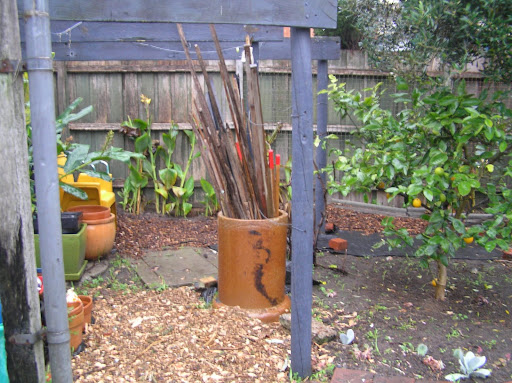
Thanks to Joe’s assistance the back fence is looking truly loved. Grape vine, and lemon have been cleared of Jasmine and the Olive given a Prune after picking.
Bring on Spring!
Carding Wool
Having purchased some carding brushes I have looked to the women of the world to show me how to wield these simple brushes of golden goodness. This is my favourite video – I feel so blessed to be able to sit in my lounge room sharing this woman’s domestic space. Truly the wonder of technology.
About Melbourne
Feeding Friend – Limited Editions
Last days of Winter in Melbourne
The Solar Warriors of Bhutan-10 min
First Solar Powered de-salination plant in India
Soylent Green
I recently came across the Sci-Fi Classic Soylent Green.
This movie came to my attention in an introduction by Thomas Fischbacher for the transcript of Bill Mollison’s PDC Course (see below).
Set in 2022 and made in 1973 it got me thinking about our own 50 year vision. What do we imagine the year 2061 will look like? And will we be eating each other in the form of Soylent Green??
Actually I didn’t expect to enjoy this film… but it had me hooked. And made me appreciate the home cooked meal in front of me. Even though futuristic, this film has a great retro aesthetic – I particularly appreciated the vision of video games in the future – little did they know that Star Ship troopers would have revival in its retro form!
I imagine at the time Permaculture was conceived of these were the topical issues (not star ship troopers but the death of the ocean, over-population, climate change) and they remain pertinent today.
I really appreciated the character of Sol – who spoke of the past (life as we know it) and admitted I could have done more — I should have done more. I think perhaps he speaks for us today – who know all the facts and have this window of opportunity to create change.
3 and 1/2 stars
A good Sunday arvo watch on a rainy day – so long as your mood is up beat !
http://www.imdb.com/title/tt0070723/
“if we take a close look at our history, the evidence that it by and large manages quite well to explain a large number of observations (such as the collapse of many past civilizations) should give us more than enough reason to stop for a moment and give it some thought. If this is what we really do – wouldn’t that mean that, if we continue like this, then in all likelihood we would ultimately end up being driven to eat the grass and the earthworms from the soil for there is nothing else left which we have not destroyed before? Art has raised this question many times. This is, for example, the topic of the science fiction movie “Soylent Green”.
When we get confronted with such an idea, how do we deal with it? In our western society, there seem to be two widespread reactions to it: The maybe less common one is “the environmentalist’s” of considering this as our inevitable fate, with the only relevant question being whether we can slow down the inevitable degradation enough to retain a reasonable quality of living for the next few generations by curtailing our own exploitation in order to leave something for them to exploit. (Is it inappropriate to associate this thinking to “environmentalists” as strongly as this use of that term in the previous sentence seems to indicate? Most likely so. Still, quite a number of people have views which at least broadly match this concept.) The presently dominant reaction is “the economist’s” of coming up with rational-sounding excuses based on the idea that “our cleverness always found a solution, and always will” – a comforting idea which we all perhaps would like to believe, but which undeniably quite strongly smells of human-ego-off-its-rocker-again, and doesn’t actually fare well when confronted with the evidence. Essentially, this is little more but a thinly disguised head-in-the-sand attitude.i> ” (Fischbacher. T., http://www.soton.ac.uk/~doctom/teaching/permaculture/PDC/index.html)
Landline Biological Farming
Watching Landline this weekend I was really happy to hear the average Aussie farmer embracing the concept that there is life in our soil that needs respecting – a turn about which has occurred since the increased price in petrol and fertilizers … but also was rather amused that we have to hear it from an American and import such ideas – when they have been here in Australia under the guise of Permaculture for decades – hey what ever way we can have farmers respecting the earth – may it happen!! It was a great episode to watch ….
William Kamkwamba on building a windmill | Video on TED.com
Another use for a bike!